Amazon Is Building a Phone Again. This Time, the Bet Is on Alexa.
Amazon is making a smartphone again. Reuters broke the story on March 20, citing four unnamed sources, and the details are thin but interesting. The project is codenamed “Transformer.” It’s being built by ZeroOne, a roughly year-old unit within Amazon’s Devices and Services division led by J Allard, the former Microsoft executive who helped create the Xbox and the Zune. Panos Panay, who runs Amazon’s entire devices division, is overseeing the effort.
No specs. No price. No launch date. The project could be scrapped tomorrow. But what Amazon is attempting here is different enough from the Fire Phone disaster that it’s worth paying attention to.
The Fire Phone Lesson
Quick history. Amazon launched the Fire Phone in 2014 at $199. Within three months, the price dropped to 99 cents. It was discontinued a year later. The phone had gimmicky 3D features that nobody asked for, a thin app ecosystem, and no compelling reason for anyone to leave their iPhone or Android device. It was one of the most spectacular product failures in recent tech history.
Jeff Bezos reportedly never let go of the idea. His long-standing vision has been competing with Apple through voice-assistant technology rather than hardware specs. Project Transformer is that vision refined by a decade of AI advancement.
What Transformer Actually Is
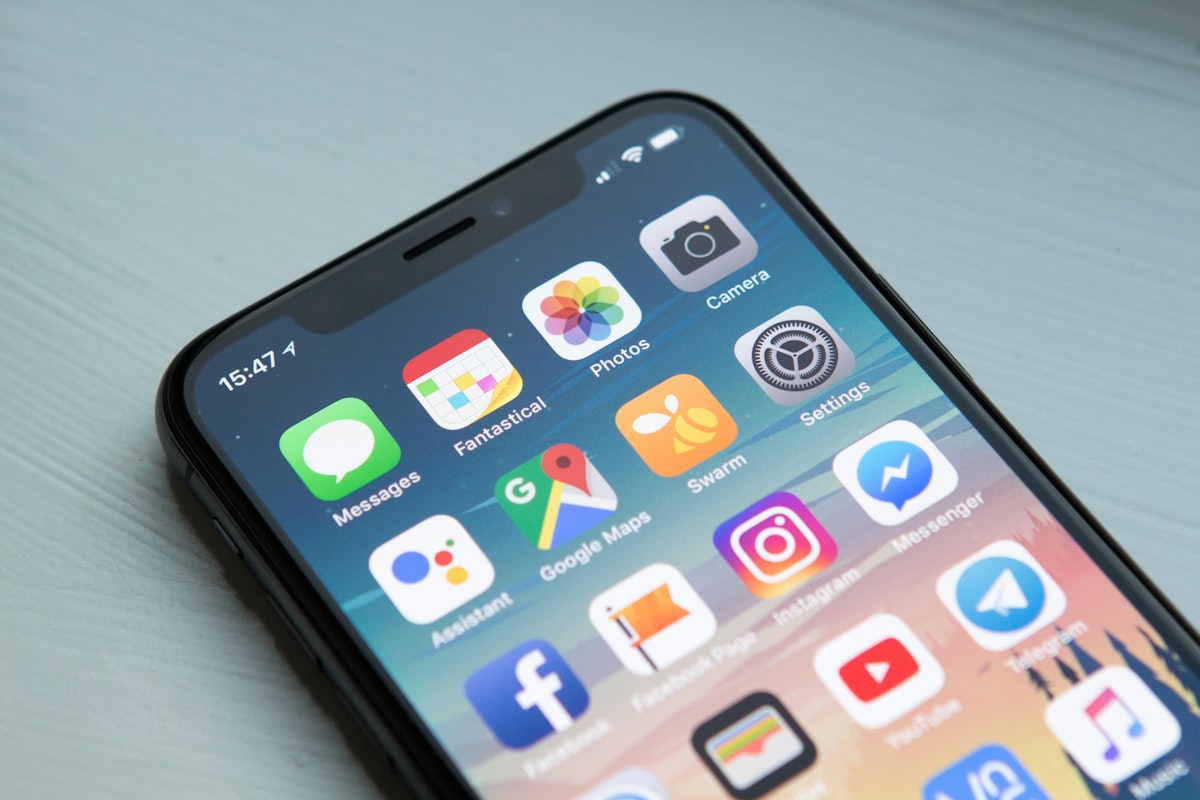
Two form factors are reportedly under consideration. The first is a full smartphone comparable to current devices from Apple and Samsung, differentiated by Amazon’s services layer rather than raw hardware. The second is a minimalist companion device inspired by the Light Phone, the $700 stripped-back handset that gives you a camera, maps, and a calendar and nothing else.
Both versions center on Alexa+, the upgraded AI assistant Amazon unveiled in February 2025 with generative AI capabilities designed to make it “more capable, conversational, and agentic.” The key word is agentic. Instead of opening apps, you’d tell Alexa what you want and AI agents would handle the execution.
The example floating around: say “Order my usual Thai food and find a movie I’d like on Prime Video,” and the phone handles the Grubhub order and queues the stream without you ever tapping an app icon. The agents interact with web services and APIs directly, bypassing the traditional app store model entirely.
Why Amazon Thinks This Works Now
The timing is about three converging factors.
First, AI assistants have gotten genuinely useful. Alexa in 2014 couldn’t reliably set a timer. Alexa+ in 2026 can hold a conversation, execute multi-step tasks, and interface with third-party services through API calls. The technology has caught up to the ambition.
Second, Amazon has a services ecosystem that hundreds of millions of people already use daily. Shopping, Prime Video, Prime Music, smart home control, grocery delivery through Whole Foods. A phone that makes all of those interactions frictionless has a built-in value proposition that the Fire Phone never had.
Third, the AI-first device category is being tested by others. The Humane AI Pin and Rabbit R1 both launched with similar “agents instead of apps” philosophies. Both have faced criticism for being solutions in search of a problem. Amazon’s bet is that the problem becomes obvious when the AI layer sits on top of an ecosystem you already depend on, rather than asking you to adopt an entirely new one.
The Skepticism Is Earned
Ryan McNeal at Android Authority characterized this as Amazon seeking “a second chance at failing to make a phone work.” That’s harsh but fair. Amazon has yet to prove it can build hardware that people choose over their iPhones and Galaxies.
The comparison to Humane and Rabbit is a double-edged sword. Those products demonstrated demand for AI-forward devices while simultaneously demonstrating how badly the execution can miss. A phone that works when the AI works and fails when it doesn’t is a phone that fails a lot.
And there’s a data play here that’s worth acknowledging. A phone gives Amazon mobile-specific user data combined with purchase history, viewing habits, and content preferences. That’s a surveillance capitalism argument that will follow this product from announcement to launch.
What to Watch For
No timeline exists. No financial commitment has been disclosed. The project could be killed quietly or announced at an Amazon hardware event later this year. The two form factors suggest Amazon hasn’t even decided what this thing is yet.
But the underlying idea is sound: use AI to collapse the friction between wanting something and getting it, powered by an ecosystem that already has your credit card on file. Whether Amazon can build a phone worth carrying is a separate question. Whether the market wants an AI-first phone is the bigger one.
We’ll be watching.