The Fleming Series 1 Mark II: An American Independent With 189 Hand-Finished Angles
The independent watchmaking landscape is dominated by Swiss names. Philippe Dufour, F.P. Journe, MB&F, De Bethune, Rexhep Rexhepi. These are the makers whose work defines the upper reaches of horological craft, and their shared geography is not incidental. Switzerland’s watchmaking infrastructure (suppliers, finishing specialists, movement manufacturers, regulatory bodies) has made it the default location for anyone aspiring to build watches at the highest level.
Thomas Fleming is an American independent watchmaker who decided that the provocation of building haute horlogerie outside of Switzerland was part of the point.
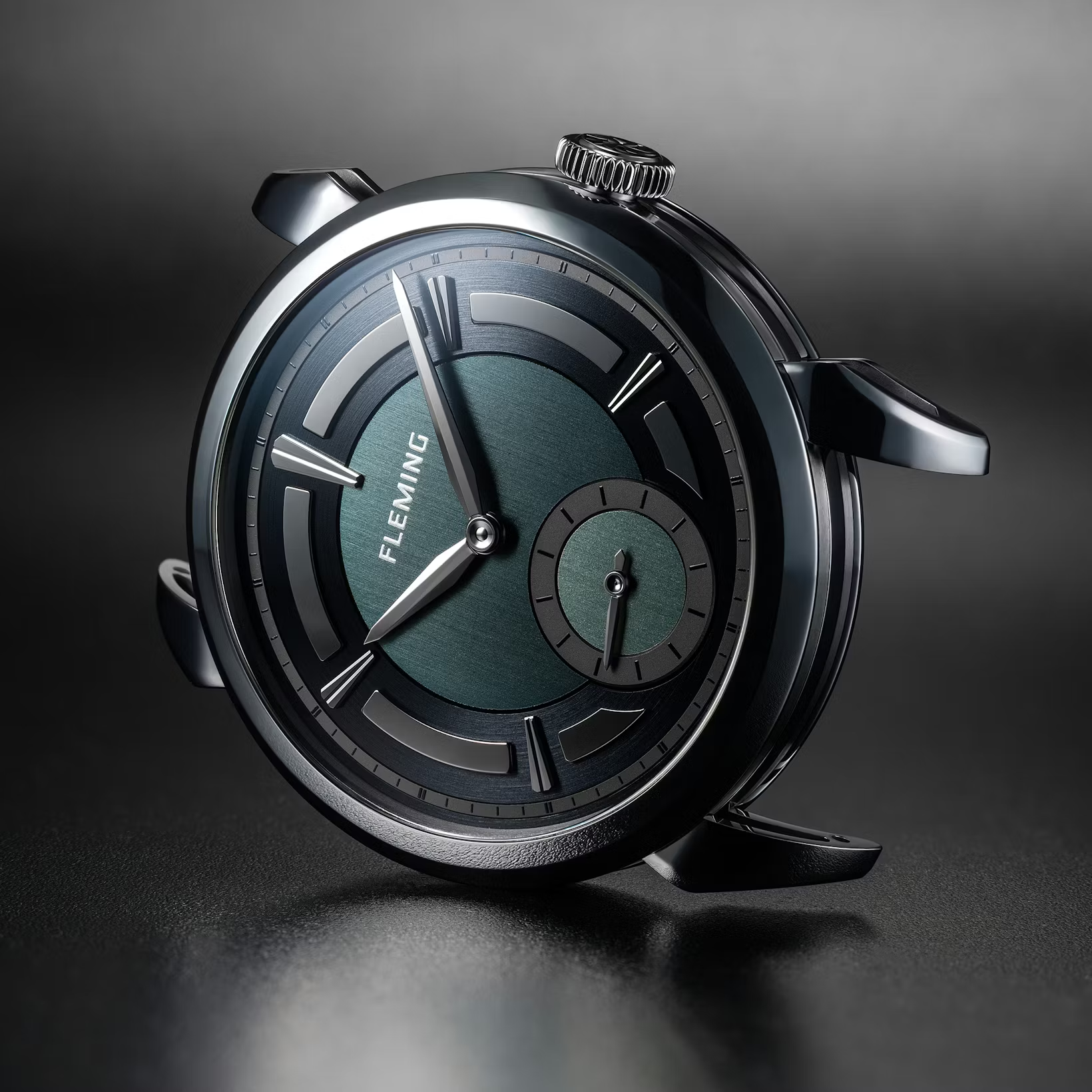
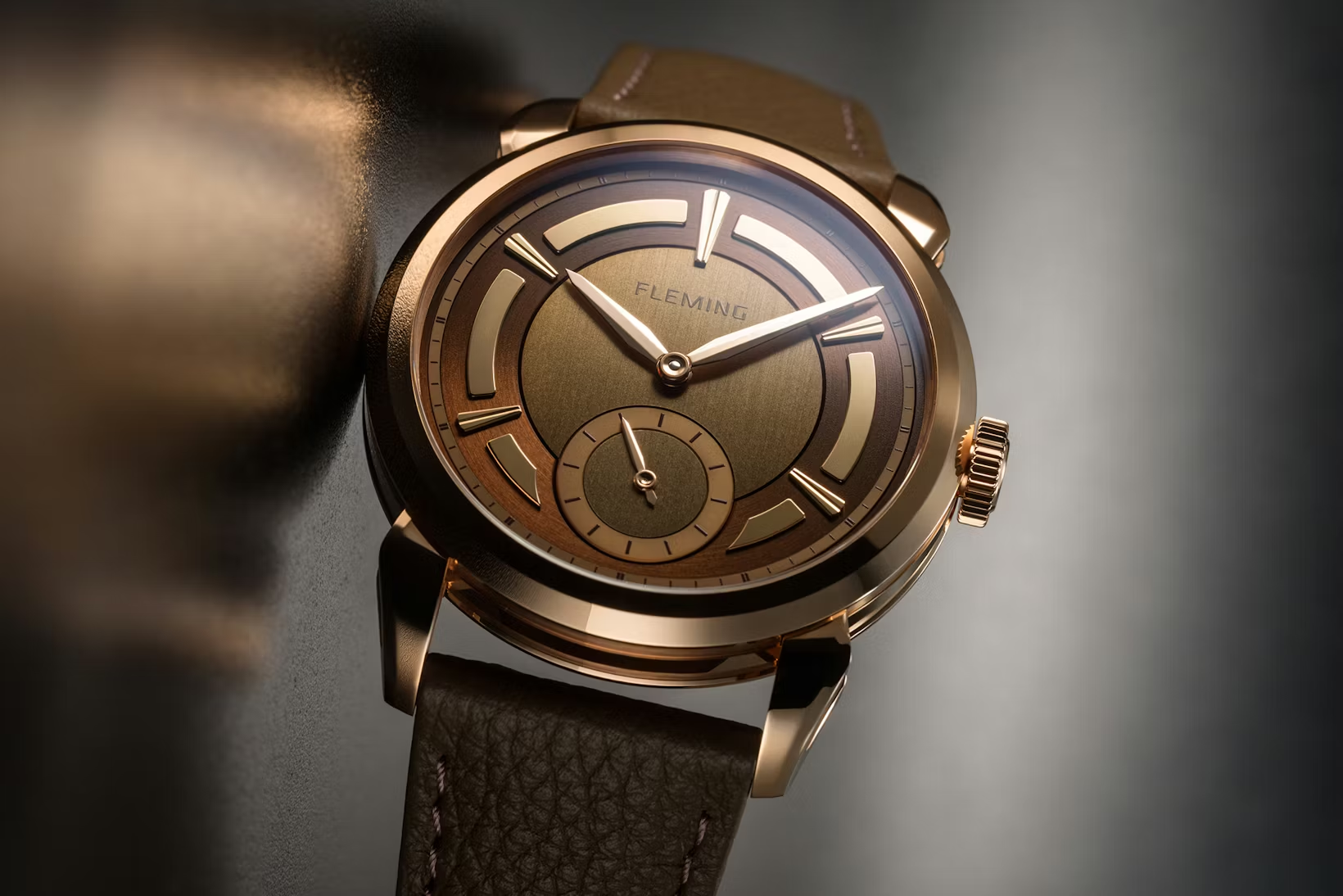
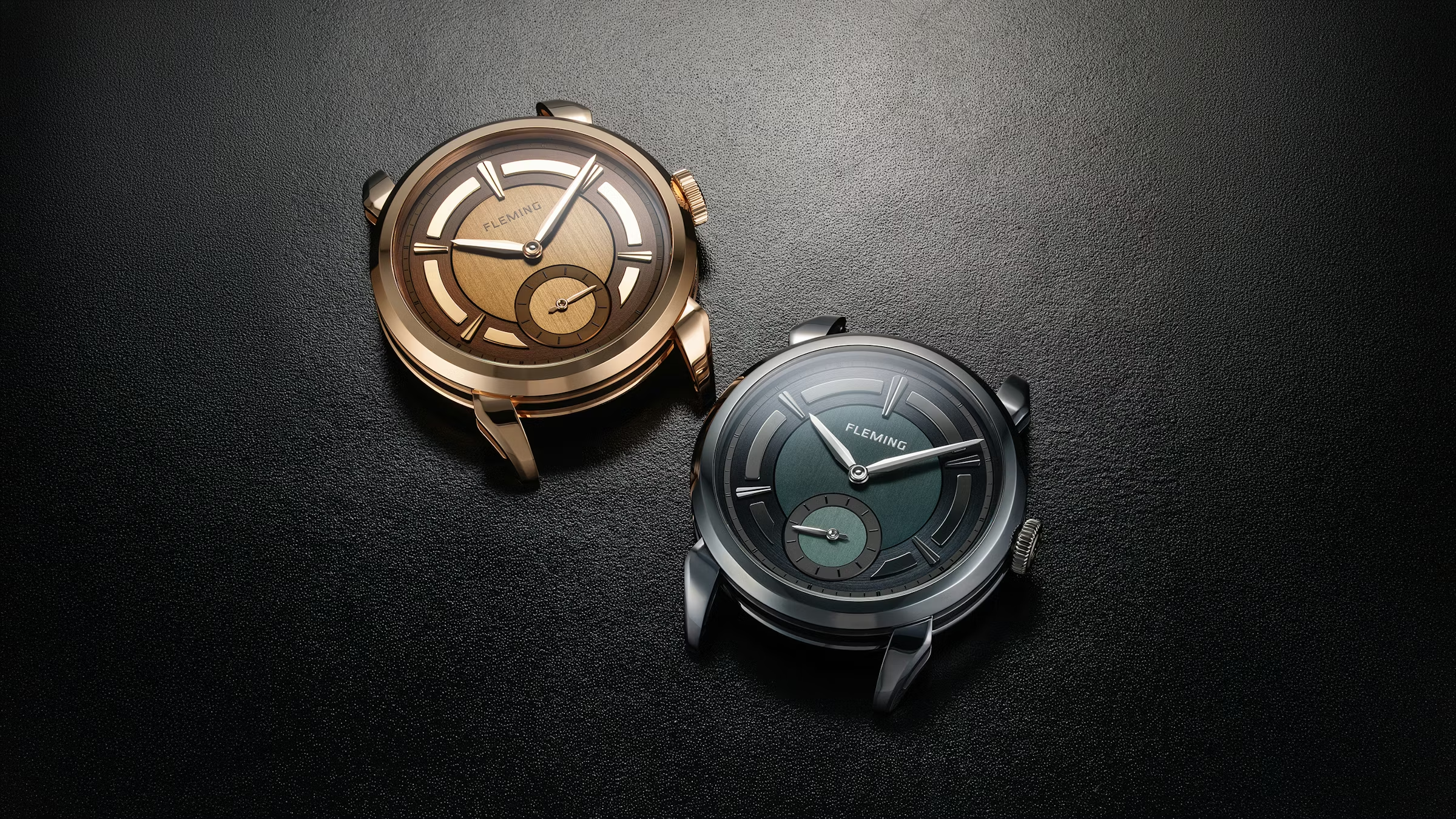
The Series 1 Mark II is the refinement of his debut, and the specification sheet reads like a challenge directed at makers charging two to three times as much. Two versions, 25 pieces each. The “Pacific” in tantalum at CHF 55,500. The “Redwood” in 18k 5N rose gold at CHF 53,500.
The Calibre FM.02
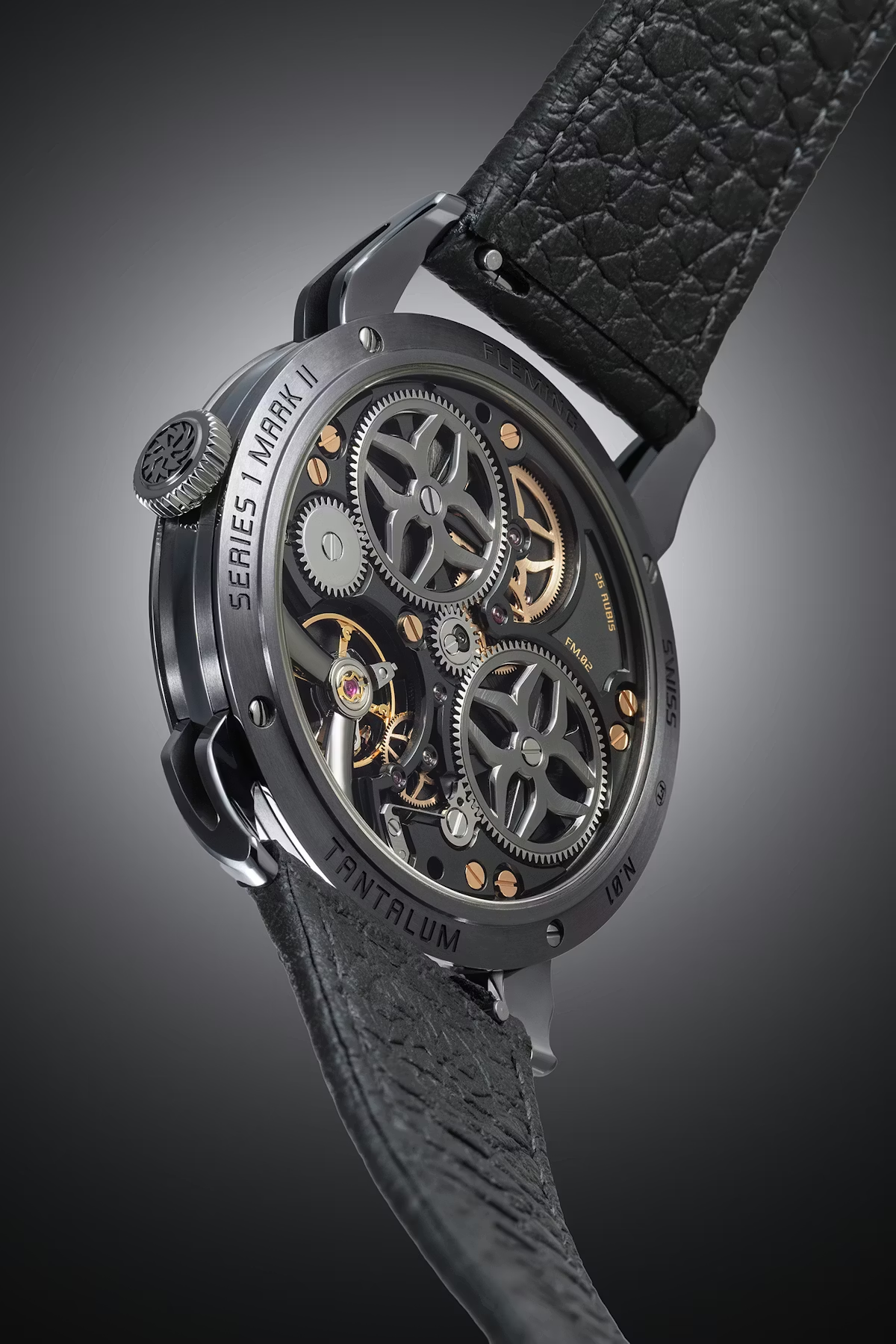
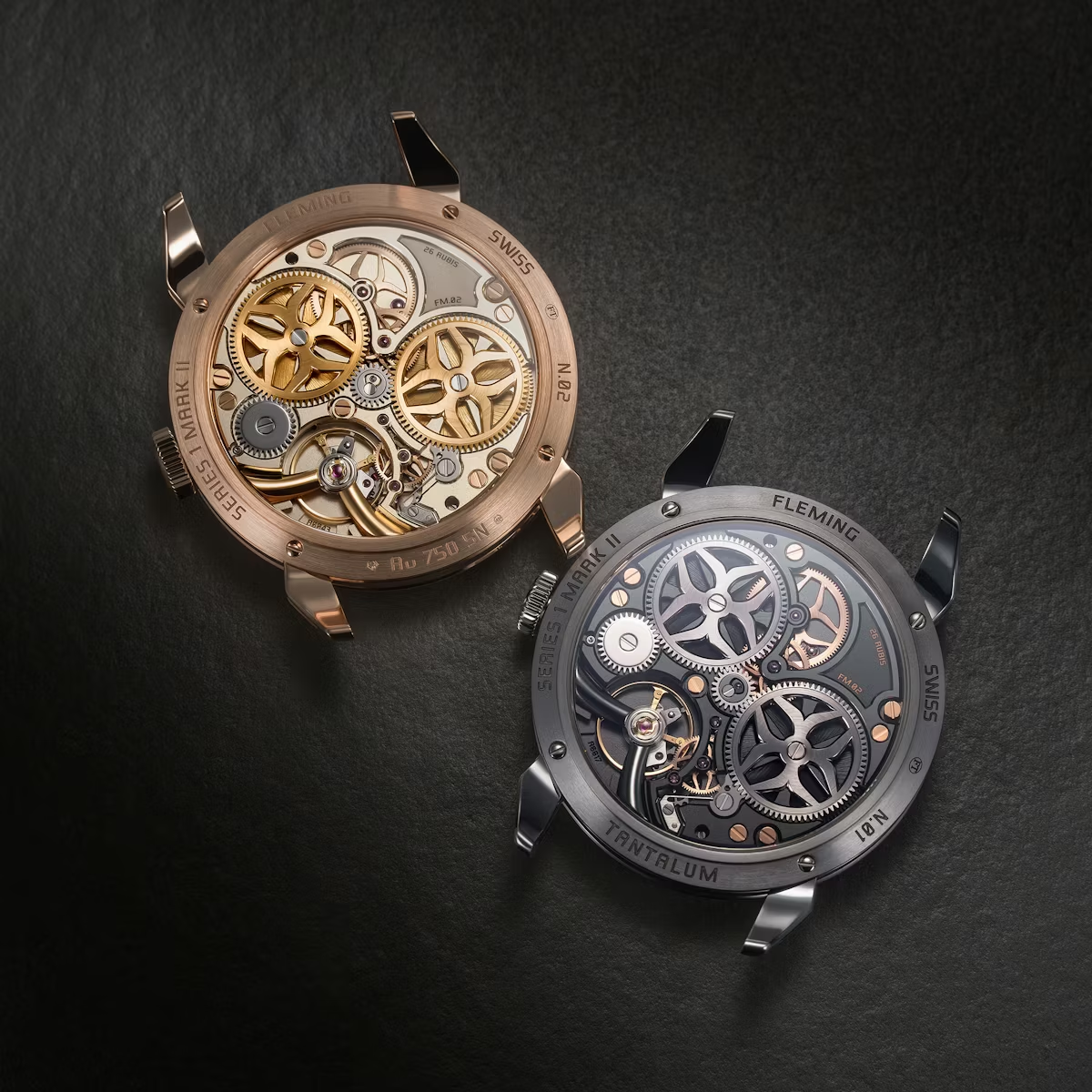
Both versions house the Calibre FM.02, a hand-wound movement developed in collaboration with Jean-Francois Mojon at Chronode, one of the most respected movement development firms in the Swiss industry. Mojon’s client list includes MB&F, HYT, and Singer Reimagined. His involvement in the FM.02 lends the movement a pedigree that extends beyond Fleming’s own (still young) reputation.
The movement measures 30.5mm in diameter at just 4mm thick. Twenty-six jewels. 21,600 vibrations per hour. The power reserve is 168 hours, which is seven full days, delivered by twin series-coupled barrels that release energy sequentially. A seven-day power reserve in a manually wound watch is remarkable. Most hand-wound movements in this price range offer 48 to 72 hours. The FM.02 more than doubles the high end of that range, which means you can wind the watch on Monday morning and it will still be running the following Monday if you forget.
The Finishing: 189 Angles by Hand
This is where Fleming makes his argument for belonging in the conversation with the established Swiss independents. The FM.02 features 189 interior angles executed by hand. The number is specific because the process is specific: each angle is cut, polished, and inspected individually using hand tools and magnification. The bridges have been reshaped with broader anglage (the decorative beveling of edges) than the original Series 1. Bespoke wheels mirror the curvature of the case. Geneva stripes are applied to surfaces that face inward, toward the mainplate, where the wearer will never see them.
That last detail matters. Finishing the hidden surfaces of a movement is the clearest signal in watchmaking that the maker cares about craft rather than marketing. A photograph cannot capture what’s hidden behind a bridge. An Instagram post cannot show the underside of a wheel. The finishing exists because the maker believes it should exist, not because an audience will see it. This philosophy aligns Fleming with the approach of Dufour and Rexhepi, both of whom finish hidden surfaces to the same standard as visible ones.
The Case and Dial
The 38.5mm case sits at 8mm thick (9mm with the domed sapphire crystal on both front and back). The proportions are deliberate. In a market where independent watchmakers frequently build cases at 40mm or above to accommodate complex movements, Fleming chose a size that sits comfortably on smaller wrists and reads as a dress watch rather than a statement piece. The skeletonized lugs lighten the visual weight, giving the watch an airy quality despite the density of the case materials.
The Pacific’s tantalum case is a choice with implications beyond aesthetics. Tantalum is one of the rarest metals used in watchmaking: dense (heavier than steel but lighter than gold), hypoallergenic, and extremely resistant to corrosion. It develops a subtle blue-gray surface over time that distinguishes it from both steel and white gold. The Redwood’s 18k 5N rose gold is warmer and more traditional, with the higher copper content of 5N gold producing a richer, more saturated pink than standard 4N rose gold.
The dial uses a sector layout with directional brushing that creates distinct visual zones as the eye moves from center to periphery. Applied hour markers sit at two-hour intervals on a black-polished ring. A small seconds subdial at 6 o’clock provides a constant visual indication that the movement is running. The Pacific’s dial shifts between blue, turquoise, and near-black depending on the angle of light. The Redwood moves through gold and bronze tones with similar complexity.
Delivery and Straps
Two calf leather straps are included with each watch. The pin buckle is made from the matching case material (tantalum or rose gold), a detail that some makers at higher price points skip in favor of a standard steel buckle. Thirty meters of water resistance establishes the minimum protection against accidental splashes without pretending the watch is anything other than a dress piece.
The Market Position
At CHF 53,500 to 55,500, the Fleming Series 1 Mark II occupies territory where it competes on finishing quality and movement engineering with watches from makers charging CHF 100,000 to 200,000. The seven-day power reserve exceeds what most manufacturers at any price point offer. The 189 hand-finished angles represent a level of craft that places the FM.02 among the most meticulously executed movements available from any independent maker, American or Swiss.
The limitation is brand recognition. Fleming is early in his career. The collector base for American independents is smaller than the Swiss-focused collector market. Resale liquidity is uncertain. These are real considerations for anyone buying a watch at this price, and they are the factors that keep the Fleming’s pricing below where the finishing quality alone would position it.
Twenty-five pieces per version. Available direct through fleming.watch. For collectors who care about what a movement looks like under magnification more than what a brand name looks like on a dial, the Series 1 Mark II is one of the most compelling offerings in independent watchmaking right now.