
The Lost Art of Following Up
After thirty, the pattern becomes familiar. You meet someone interesting at a dinner, a conference, a friend’s birthday, a kid’s soccer game. The conversation is good. You find common ground. You exchange numbers. One of you says “let’s grab coffee” or “we should hang out” with genuine enthusiasm. And then nothing happens.
Not because either of you lost interest. Not because the connection wasn’t real. Because life fills up, work gets louder, and following up feels like it requires more energy than it actually does. The text sits in your drafts unsent. The reminder you set gets dismissed. Three weeks pass and the window closes, not with a definitive rejection but with the slow accumulation of silence that turns a warm connection into a cold one.
The result is invisible but cumulative. Friendships stall at the acquaintance stage. Professional connections cool before they produce anything meaningful. Opportunities (for jobs, partnerships, creative collaborations, genuine friendship) expire because nobody closed the loop. The men who maintain full lives past thirty aren’t more social than everyone else. They’re just better at the follow-up.
Why It Feels Harder Than It Is
Following up requires initiating contact without an existing context or agenda. When you text someone you’ve known for ten years, the context is established. When you text someone you met once at a dinner three days ago, the context is thin and the relationship is undefined. That ambiguity, not the effort of typing a message, is what people avoid.
The fear isn’t rejection. Rejection is clean and final. The fear is ambiguity: sending a message and not knowing whether the silence that follows means “I’m busy and will respond later,” “I’m not interested,” or “I forgot who you are.” The uncertainty is uncomfortable, so the default response is to delay the follow-up until the discomfort subsides. But the discomfort never subsides. It just converts into regret at having let another connection dissolve.
Vague Enthusiasm Kills Momentum
“Let’s catch up sometime” is the most frequently spoken phrase that produces the least amount of forward motion. It sounds friendly. It commits to nothing. It creates no next step, no deadline, no specific action that either person can take without initiating another round of planning. The phrase functions as a social pleasantry disguised as an intention, and both parties recognize it as such even as they say it.
The alternative takes five more seconds. “Next week or the week after?” gives a timeframe. “Want to grab coffee near your office?” gives a location. “I’ll send you a message on Thursday” gives a deadline. Specificity is not pushy. It’s respectful of both people’s time and honest about the fact that vague plans are plans that don’t happen.
Timing Always Beats Polish
Executive coaches and recruiters cite 24 to 72 hours as the window after meeting someone. After that, the interaction loses heat. The memory of the conversation fades. The enthusiasm that both people felt in the moment cools into a more neutral “it was nice meeting them” that lacks the energy to generate action.
A short, straightforward message sent early will always outperform a perfectly crafted note sent a week late. “Hey, great meeting you last night. Want to grab that coffee this week?” sent the next morning works. A thoughtful paragraph referencing three things from the conversation sent eight days later doesn’t work, because by day eight the recipient has to reconstruct the context before they can respond, and that cognitive effort makes them less likely to respond at all.
Following Up Signals Reliability
Initiating contact after meeting someone establishes something about who you are: organized, decisive, someone who does what they say they’ll do. These are qualities that people evaluate subconsciously in every interaction. The person who follows up demonstrates reliability. The person who doesn’t demonstrates nothing, which is worse than demonstrating unreliability because it leaves no impression at all.
Research consistently shows that people underestimate how welcome a follow-up message is. We assume the other person doesn’t remember us, doesn’t care, or will find the message intrusive. The data contradicts all three assumptions. People are generally pleased to hear from someone they had a good conversation with, even (especially) when the follow-up comes from the other person. Being sought out feels good. Being forgotten doesn’t.
Close the Loop Either Way
Ruth Sherman, a public speaking coach who has built her career on interpersonal communication, puts the principle plainly: “Nothing good is ever accomplished without persistence. Because so many people are not persistent and thus fail to follow up, it is a fantastic differentiator.”
Send one clear message. If it lands, move forward. If it doesn’t, let it go. The point isn’t persistence for its own sake or pestering someone who isn’t interested. The point is closure. One message gives you information. It either produces a response (in which case the connection advances) or it doesn’t (in which case you know where things stand and can move on without wondering). Zero messages gives you nothing but the same vague enthusiasm that started the cycle, decaying into the same regret that has characterized every connection you let dissolve before it.
Following up is not networking. Networking is transactional. Following up is relational. The difference is intent. A network is something you build. A relationship is something you maintain. The follow-up is the maintenance. Skip it enough times and the relationships that should define your thirties, forties, and fifties never get past the first conversation.
Our Picks

Theragun Mini
$149
Shop on Amazon
Whoop 4.0 Strap
$239
Shop on Amazon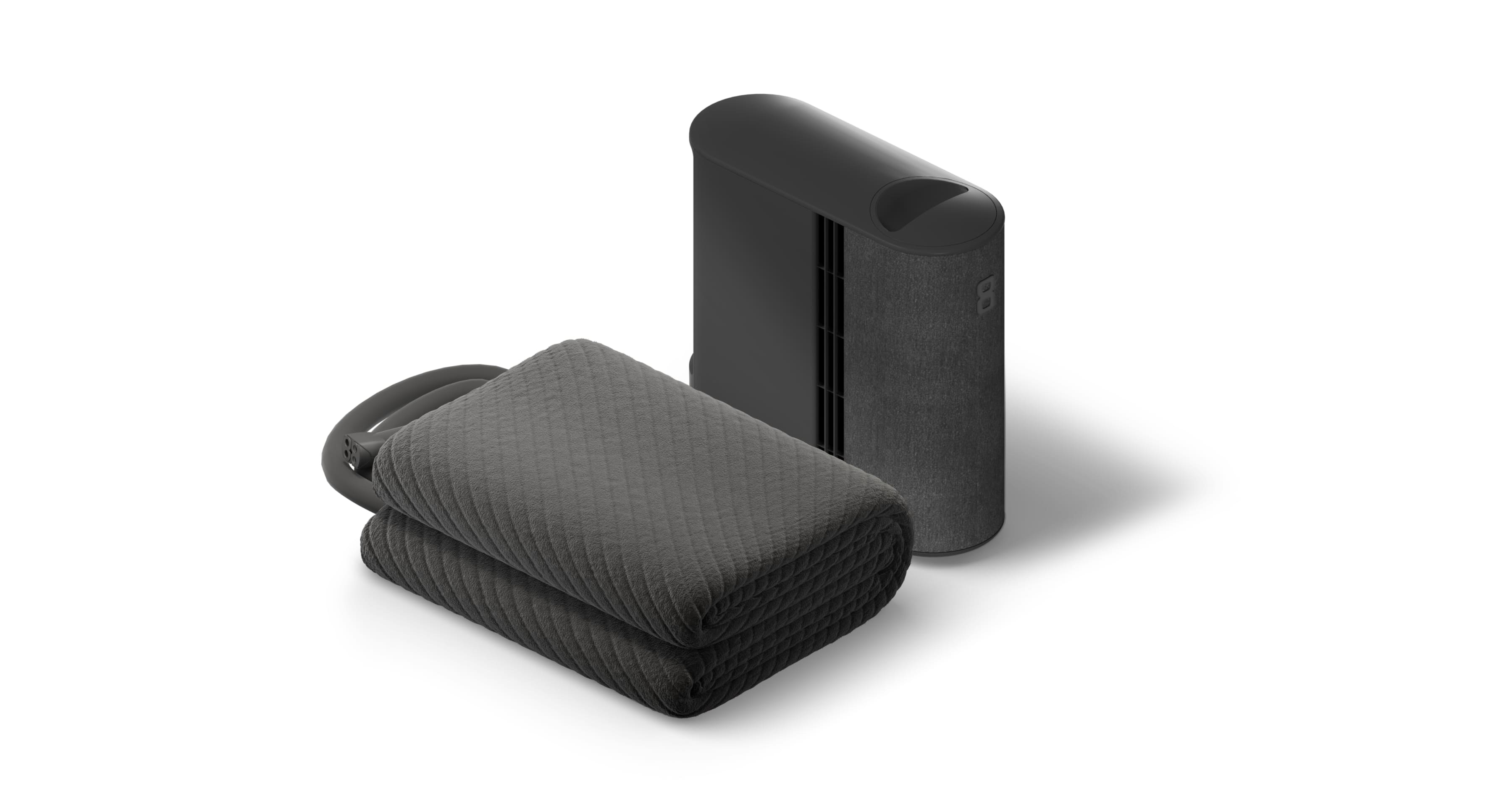
Eight Sleep Pod Cover
$1,999
Shop on AmazonAs an Amazon Associate, we earn from qualifying purchases.