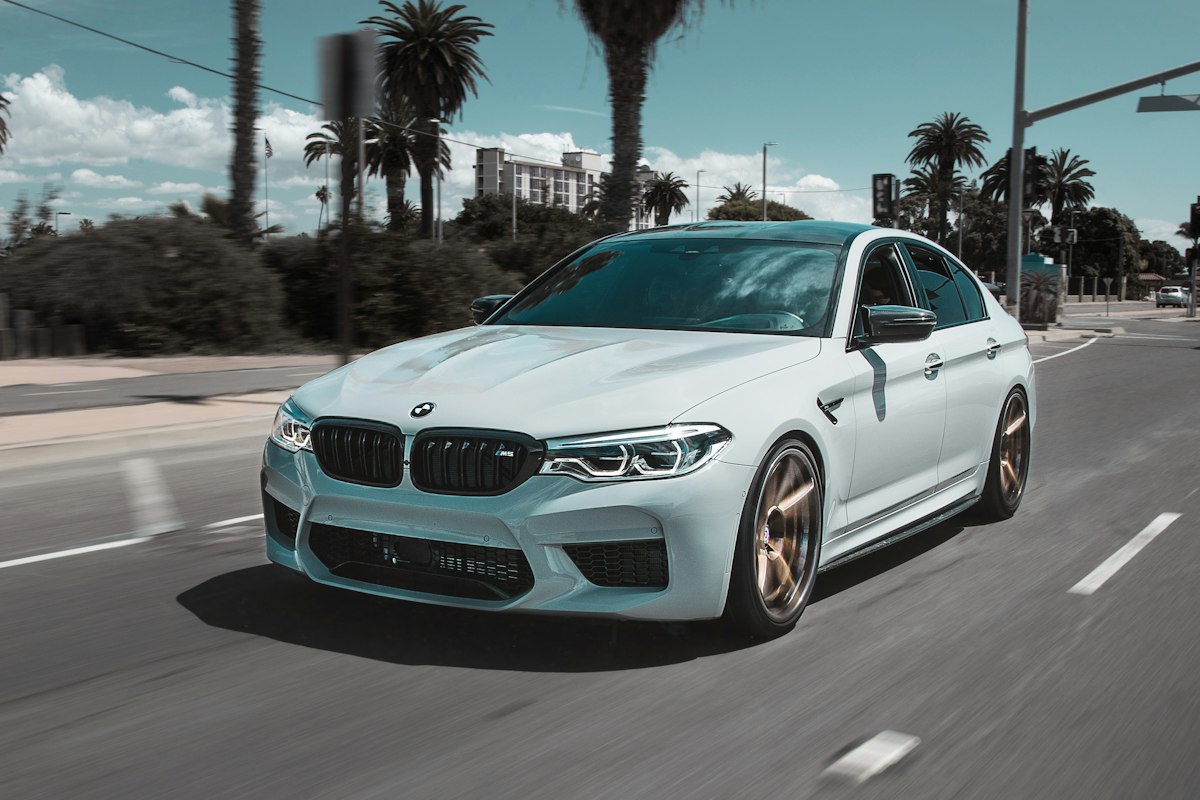
The BMW M5 'Landspeed' Commercial Represents a Kind of Confidence That No Longer Exists in Advertising
Around the year 2000, someone at BMW gave the agency Hunt Lascaris (based in Johannesburg, South Africa) an unusually simple brief for the E39 M5. Four words, more or less: “Just tell people it’s fast.”
Creative director Jan Jacobs and director Kim Geldenhuys responded with a 60-second commercial that has outlived the car it was selling, the agency that made it, and the era of advertising that produced it. The spot is still circulating on YouTube in low resolution, still being shared in car forums and Reddit threads, still holding up as one of the best automotive commercials ever made. Twenty-five years after it aired.
The Concept
A fiberglass decoy car appears to be the hero of the commercial from the first frame. The camera treats it with the reverence reserved for the world’s fastest machines. It’s positioned alongside ThrustSSC, the actual supersonic car that held the land speed record at the time (763 mph, set in the Black Rock Desert in 1997). The decoy is being prepared for what appears to be a land speed record attempt. Technicians work on it. A driver straps in. The tension builds toward a high-speed run that the viewer expects to be the climax.
In the final frames, the reveal: the real BMW E39 M5 appears. The decoy was the spectacle. The sedan was the point. The car shown alongside ThrustSSC wasn’t a competitor. It was a distraction, designed to make the audience forget that the real star was a four-door sedan sitting quietly in the frame the entire time.
No cuts. No visual effects. No cheats. The illusion was built practically, with a fiberglass shell, a film crew, and the confidence that the audience would follow the misdirection until the payoff.
Why the Metaphor Worked
The E39 M5 was, in the year 2000, the fastest and most exciting performance sedan in production. A 4.9-liter naturally aspirated V8 producing 394 horsepower, mated to a six-speed manual transmission, in a body that looked virtually identical to a standard 5 Series commuter sedan. The car’s defining characteristic was the gap between its appearance and its capability. It looked like a car your dentist drove. It performed like something that belonged on a racetrack.
The Landspeed commercial said the same thing the car did: the real force is the one you don’t see coming. The fiberglass decoy, with its aerodynamic profile and its proximity to a supersonic land speed record car, represented the kind of speed that announces itself. The M5 represented the kind of speed that doesn’t need to. The metaphor worked because it was true. The E39 M5 was genuinely faster, more capable, and more surprising than its exterior suggested.
Petrolicious, in their retrospective on the commercial, called it a kind of confidence that is “now extinct in advertising.” The assessment is accurate. The commercial was absurd. It was expensive. It required a location (the salt flats where ThrustSSC ran), a full-scale fiberglass replica of a land speed car, a film crew willing to shoot in extreme conditions, and a client willing to approve a concept where the product doesn’t appear until the final seconds.
The Broader Context
The Landspeed commercial was part of a period when BMW embraced storytelling in advertising with a boldness that has not been replicated by any automaker since. “The Hire,” a series of short films produced around the same time, starred Clive Owen as a professional driver navigating escalating scenarios. The directors included Guy Ritchie, Ang Lee, John Frankenheimer, Wong Kar-wai, and Alejandro Gonzalez Inarritu. The films ranged from five to ten minutes each and played more like studio short films than branded content.
“The Hire” redefined what branded content could be before the term “branded content” existed. The series was distributed online (a radical choice in 2001) and collectively garnered over 100 million views at a time when streaming video was still in its infancy. BMW committed to A-list directors, a legitimate narrative arc across the series, and a production budget that matched the ambitions of the filmmakers involved.
The Landspeed commercial and The Hire films share a common philosophy: trust the audience to find the product through the story rather than interrupting the story to sell the product. The BMW logo doesn’t appear until the end. The M5 doesn’t appear until the reveal. The car earns its presence in the commercial the same way it earned its presence on the road: by being the most impressive thing in the frame without needing to announce itself.
Why It Still Works
The commercial survives in low resolution on YouTube, compressed and re-uploaded enough times that the image quality has degraded significantly from the original broadcast version. It still works. The concept is strong enough that the resolution doesn’t matter. The misdirection holds even when you know the reveal is coming, because the staging is committed enough that the fiberglass decoy genuinely looks like the hero until the moment it isn’t.
Modern automotive advertising has moved in the opposite direction. Product shots arrive in the first three seconds to satisfy attention span metrics. Taglines are tested for recall efficiency. Celebrity endorsements provide borrowed credibility. The idea that a car company would spend its advertising budget on a 60-second misdirection where the product appears for fewer than five seconds at the end is unthinkable in the current marketing climate.
That’s what Petrolicious means by “extinct.” The Landspeed commercial required faith that the audience was smart enough to appreciate the metaphor, patient enough to wait for the payoff, and engaged enough to remember the product after the spectacle ended. That faith no longer exists in most marketing departments, which is why the commercials they produce are forgotten the day after they air, and the BMW Landspeed spot is still being discussed twenty-five years later.
Our Picks

Chemical Guys Car Wash Kit
$50
Shop on Amazon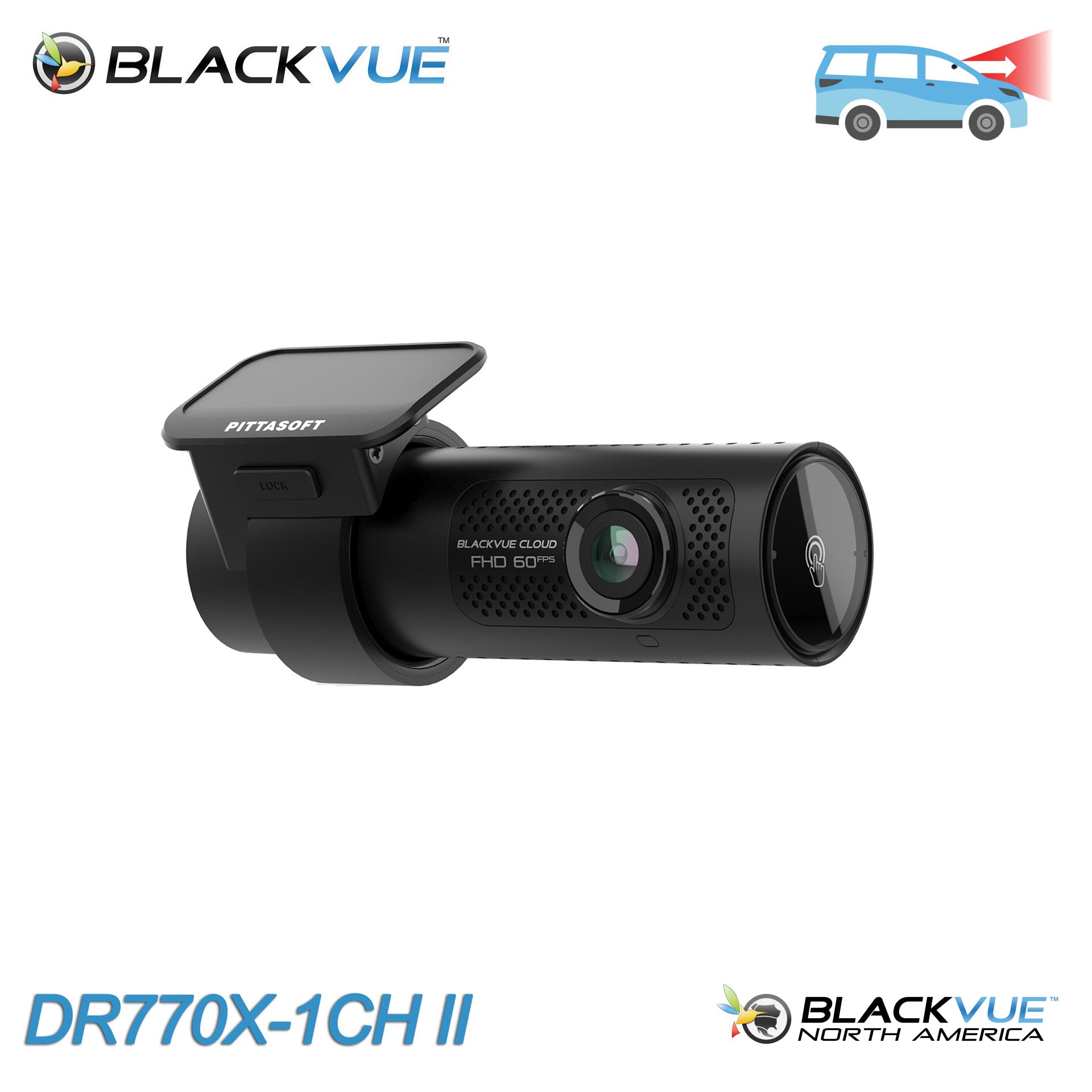
Blackvue DR770X Dashcam
$280
Shop on Amazon
WeatherTech Floor Liners
$110
Shop on AmazonAs an Amazon Associate, we earn from qualifying purchases.