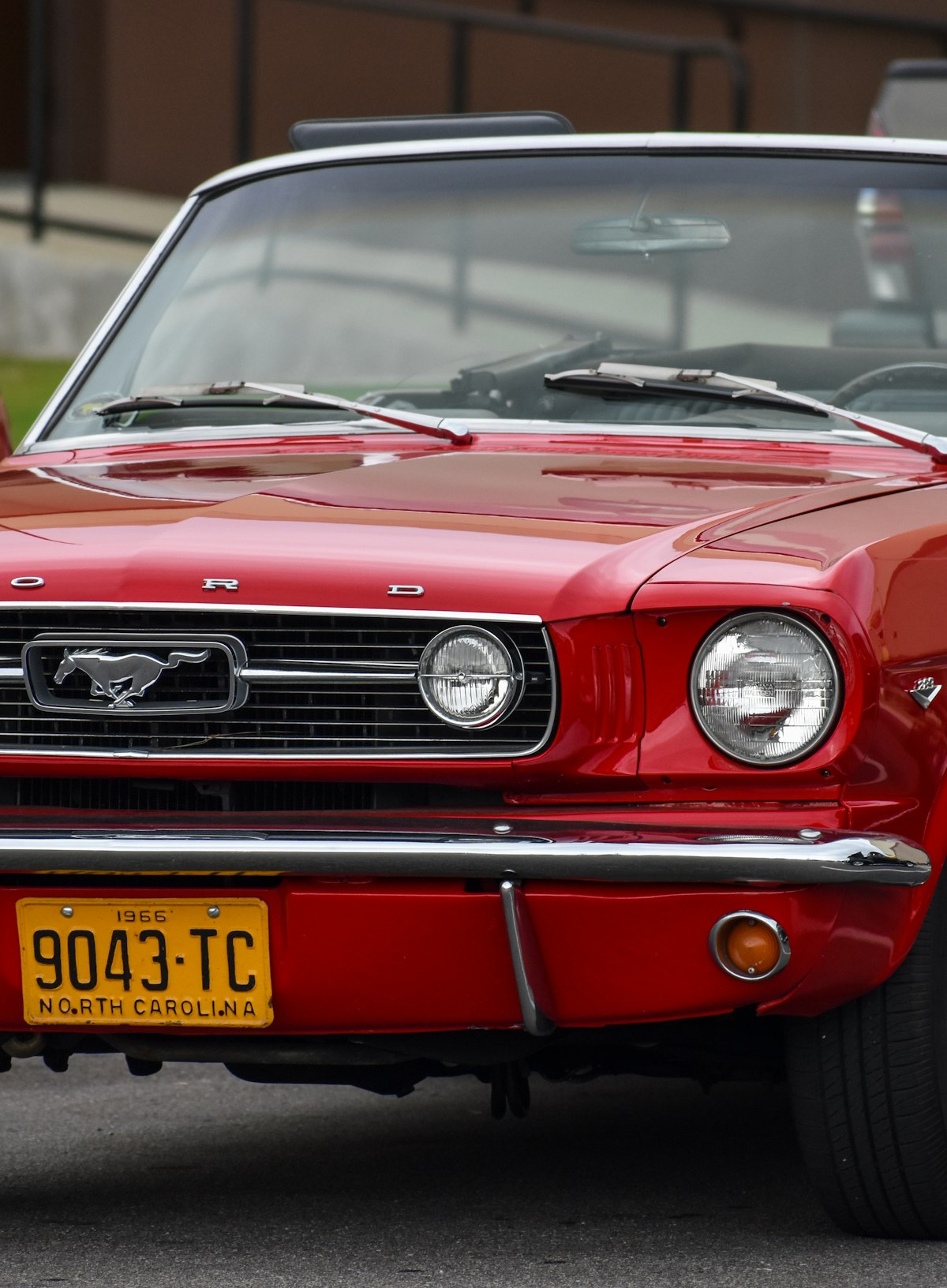
Ford Mustang Sales Are Up 50 Percent in Q1 2026. Here's What Actually Fixed Them.
Ford sold 14,074 Mustangs in the first quarter of 2026. That is a 50.1% increase over Q1 2025, when the number was 9,377. March 2026 alone was 6,152 units, the best single month the S650 generation has posted since it launched. The turnaround is real, it is measurable, and it is worth understanding because it came from specific decisions Ford made rather than general market conditions.
The Number That Made the Turnaround Necessary
Q1 2025 was down 31.6% from the year before. In the context of a sports car market that was already contracting, a 31.6% decline in the segment’s highest-volume model is a problem that commands attention. Ford’s response unfolded in phases through the second half of 2025: price cuts on the 2026 model, increased incentives through Q4, and the decision that appears to have moved the needle most significantly.
They unlocked the S650’s ECU for aftermarket tuning.
Why the ECU Decision Matters
The Mustang has a tuning culture attached to it that predates most of the other sports cars currently sold in the United States. There are companies whose entire business model is calibrating Mustang software, and an ecosystem of shops that live on Mustang performance work. When Ford shipped the S650 with a harder ECU lockout than previous generations, it cut that community out of the car’s upgrade path in a meaningful way.
The decision to reverse course and open the ECU to tuning was not just a technical concession. It was an acknowledgment that the Mustang’s value proposition is inseparable from the aftermarket ecosystem around it. A base EcoBoost at $32,640 that a buyer can tune to significantly higher output is a different product than one that cannot be touched. The V8 GT with a standard six-speed manual starts at $46,560; that car, with tuning capability restored, is the entry point for a motorsport-capable platform rather than a sealed appliance.
The Market Share Picture
Ford’s numbers now represent 61.0% of what the industry categorizes as the mainstream sports car segment, up from 44.9% in Q1 2025. The next competitor is the Toyota GR 86, which sold 2,046 units in Q1 2026, down 26.3% from the same period last year. The Mustang outsold the GR 86 by more than 7 to 1.
More striking: the Mustang outsold the Chevrolet Corvette (6,235 units) and the Porsche 911 (4,256 units) combined. Those are different cars at different price points chasing different buyers, so the direct comparison has limits. But for a platform that was widely eulogized eighteen months ago as a sign that the American pony car was finally losing its grip on the sports car segment, selling more units than two of the most iconic sports car nameplates in the world is a reasonable rebuttal.
The Mach-E Counterpoint
January 2026: the Ford Mustang Mach-E sold 1,040 units, down 70.5% from the prior year. That decline followed the expiration of federal EV incentives that had been propping up demand. In early 2024, the Mach-E had actually outsold the Mustang on a monthly basis.
The Mach-E carries the Mustang name, which was a controversial decision from the moment Ford announced it in 2019. Whatever the marketing logic of the naming choice, the demand dynamics in 2026 tell a straightforward story: the Mustang’s name did not transfer meaningful loyalty to the electric crossover once the incentive structure that made it financially competitive disappeared. The Mustang itself, outselling the Mach-E by 3 to 1 or more in recent months, is doing fine without the association.
What the Q1 Numbers Actually Prove
Sports car sales cycles are noisy. One strong quarter after two weak ones does not establish a trend. But the Q1 2026 Mustang numbers come with identifiable causes: the ECU unlock created a concrete reason for a specific buyer segment to reconsider, the price cuts reduced friction at the entry level, and the incentive spending through Q4 2025 appears to have moved buyers off the fence.
The question going forward is whether Ford sustains the product decisions that produced the recovery. The ECU openness, in particular, is not a one-time announcement. It requires ongoing cooperation with tuning software developers as updates roll out. If Ford reverts to a more restrictive approach on subsequent model years, the community’s trust will be harder to rebuild the second time.
For now, the numbers are good. March 2026 was the best month the S650 has posted. The formula appears to be: make the car tunable, price it correctly, and the Mustang’s existing community does the rest.
Our Picks

Chemical Guys Car Wash Kit
$50
Shop on Amazon
Blackvue DR770X Dashcam
$280
Shop on Amazon
WeatherTech Floor Liners
$110
Shop on AmazonAs an Amazon Associate, we earn from qualifying purchases.