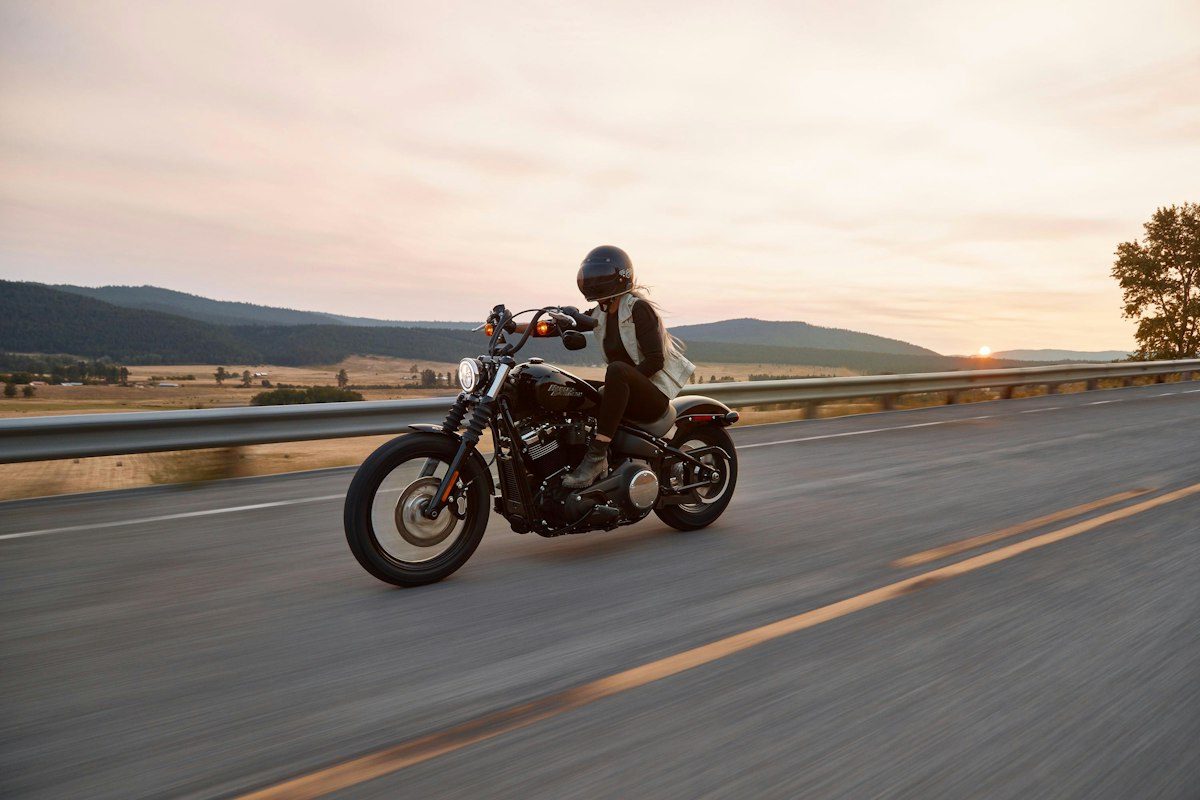
The Ducati Superleggera V4 Centenario Is 247 HP of Carbon Fiber Obsession
The Ducati Superleggera V4 Centenario is the most extreme road-legal motorcycle ever produced by any manufacturer. 247 horsepower, 173 kilograms dry, carbon fiber everything, and a price of EUR 150,000 that 500 buyers paid without hesitation. All 600 units (500 standard, 100 Tricolore) were sold before most people knew the bike existed.
That sentence deserves a moment. Six hundred motorcycles, gone before the press release hit inboxes.
A Century of Making Things That Go Fast
Ducati was founded on July 4, 1926, in Bologna by three brothers: Adriano, Bruno, and Marcello Cavalieri Ducati. They made radio components. Capacitors, condensers, electronic equipment. For the first twenty years of the company’s existence, nobody at Ducati had any particular interest in motorcycles.
That changed after World War II. In 1946, the company introduced the Cucciolo, a tiny auxiliary engine you could bolt onto a bicycle frame. Modest. Practical. The kind of product that gets people from one place to another in a bombed-out country trying to rebuild itself. From that bicycle engine came everything: the Desmodromic valve system, the L-twin, the Panigale, fifteen MotoGP Riders’ Championships, and a racing heritage that stretches across seven decades and every continent where people care about going fast on two wheels.
The Centenario celebrates all of it. Not with a sticker pack or a limited-edition keychain. With a motorcycle that takes every piece of technology Ducati has developed for MotoGP and World Superbike competition and makes it street-legal.
The Engine: A Frankenstein Built by Geniuses
The Desmosedici Stradale R 1100 is a new powertrain created specifically for this bike. Ducati’s engineers took the cylinder head from the 998cc Panigale V4 R (the homologation special built for World Superbike) and paired it with the standard Panigale V4’s longer stroke, pushing displacement up to 1,103cc. The stroke goes from 48.41mm to 53.5mm. That combination gives you the V4 R’s ability to breathe at stratospheric RPMs and the torque delivery of a larger engine.
In Euro 5+ road trim, the Centenario produces 228 horsepower at 14,500 RPM. That number changes when you install the Akrapovic racing exhaust and Ducati Corse performance oil that ship inside the crate with every bike. Full track configuration: 247 horsepower.
I want to be specific about what “ships in the crate” means. Each Centenario arrives in a personalized wooden crate containing the bike, a headlight removal kit, a side stand, license plate holder, direction indicators, a race fuel tank cap, brake lever guard, charge maintainer, and a neoprene racing seat. The crate is the garage. Ducati engineered this motorcycle to reach its full potential with equipment that arrives at your door, not equipment you source from a catalog six months later.
The Desmodromic valve system does the rest. Conventional engines use springs to close valves. At 14,500 RPM, springs start to float, lose contact with the cam lobes, and the engine stops making power cleanly. Ducati mechanically opens and closes each valve, eliminating that ceiling entirely. Fabio Taglioni introduced this system in the 1950s. Seventy years later, it still defines the upper performance boundary of what a motorcycle engine can do.
Each engine’s Desmodromic camshaft timing is hand-set by a single technician who signs a numbered plate affixed to the bike. Your Centenario carries the name of the person who built its heartbeat.
173 Kilograms. Read That Again.
A Honda CBR600RR, a middleweight sportbike with roughly half the Centenario’s power, weighs 186 kilograms wet. The Centenario weighs 173 kilograms dry. With the racing kit installed, that drops to 167 kilograms (368 pounds). Think about that ratio for a second. 247 horsepower pushing 167 kilograms. The power-to-weight figure works out to roughly 1.48 hp/kg. A Bugatti Chiron Super Sport manages about 0.77 hp/kg. The Ducati nearly doubles it.
How do you build something this light? Carbon fiber. Everywhere. The frame is carbon. The subframes are carbon. The swingarm is carbon. The wheels are carbon. The fairing is carbon, exposed in places so you can see the weave pattern, because when you spend this much on material science you should be allowed to admire the work. Mudguards, covers, intake ducts. All carbon.
But Ducati went further than previous Superleggera models in two areas that matter enormously.
Brakes and Fork: Two World Firsts
The Centenario is the first road-legal production motorcycle equipped with carbon-ceramic brake discs. Brembo developed the discs using a carbon fiber-reinforced ceramic composite (C/SiC) core. Compared to steel discs, the carbon-ceramics save 450 grams per disc and reduce the moment of inertia by 40 percent. The diameter is 340mm. The calipers are Brembo GP4-HY monoblock units machined from solid billet aluminum. These are components derived directly from MotoGP prototype racers.
What 450 grams per disc actually means: less unsprung and rotating mass at the front wheel. The bike changes direction faster. The suspension works more efficiently. Braking feel stays consistent at extreme temperatures where steel discs begin to fade. On a track, after ten hard laps, when everything else starts getting vague and soft, carbon-ceramics still talk to you through the lever with the same clarity they had on lap one.
Then there’s the fork. The Centenario carries the first production Ohlins NPX 25/30 Carbon fork with carbon fiber sleeves, derived from MotoGP technology. The sleeves are made from unidirectional carbon fiber layers, saving 10 percent weight compared to the standard Panigale V4 fork and 8 percent compared to the V4 R. The fork operates mechanically, with no electronic adjustment, because electronics add weight and Ducati’s engineers decided that every gram matters more than convenience. A pressurized cartridge inside reduces cavitation and delivers more consistent support during hard braking and corner entry.
At the rear, an Ohlins TTX36 GP LW shock absorber with a lightweight steel spring and MotoGP-derived internal valving handles the other end of the equation.
The Livery
GP26 Rosso Centenario is a dark, saturated red developed for this bike alone. White stripes run across the bodywork. The color references Ducati’s earliest racing machines, a visual thread connecting the Cucciolo era to a motorcycle that produces more horsepower than some sports cars.
The Tricolore edition (100 units at EUR 200,000) wears the Italian flag in its livery, inspired by the 1986 Ducati 750 F1 BOT. MotoGP-derived aerodynamics define the silhouette: sidepods, front winglets, rear winglets, all designed to channel air around the rider at speed and press the bike into the tarmac through fast corners.
Ducati is also giving 26 Centenario owners access to an exclusive MotoGP experience on July 6 and 7, 2026, timed to coincide with World Ducati Week at Misano. The centenary officially falls on July 4, 2026, exactly 100 years after the Ducati brothers filed their founding paperwork in Bologna.
Already Gone
All 600 units are sold. The standard Centenario at EUR 150,000 (roughly $165,000) and the Tricolore at EUR 200,000 were spoken for before public availability opened. North American deliveries begin in the first quarter of 2027.
If you want one now, the secondary market is your only option. And the premiums will reflect a simple calculation: Ducati only turns 100 once, they only built 600 of these, and the people who bought them know exactly what they have.
The Centenario follows the original Superleggera (2014), the 1299 Superleggera (2017), and the Superleggera V4 (2020). Each generation pushed further than the last. Each sold out faster. The Centenario pushed furthest of all, into territory where MotoGP technology and road legality overlap in ways that seemed impossible five years ago.
A company that started making radio parts in 1926 just built the most extreme street-legal motorcycle on the planet. I keep coming back to that. From capacitors to carbon-ceramic brakes in a hundred years. Bologna has always had a specific kind of ambition.
Our Picks

Chemical Guys Car Wash Kit
$50
Shop on Amazon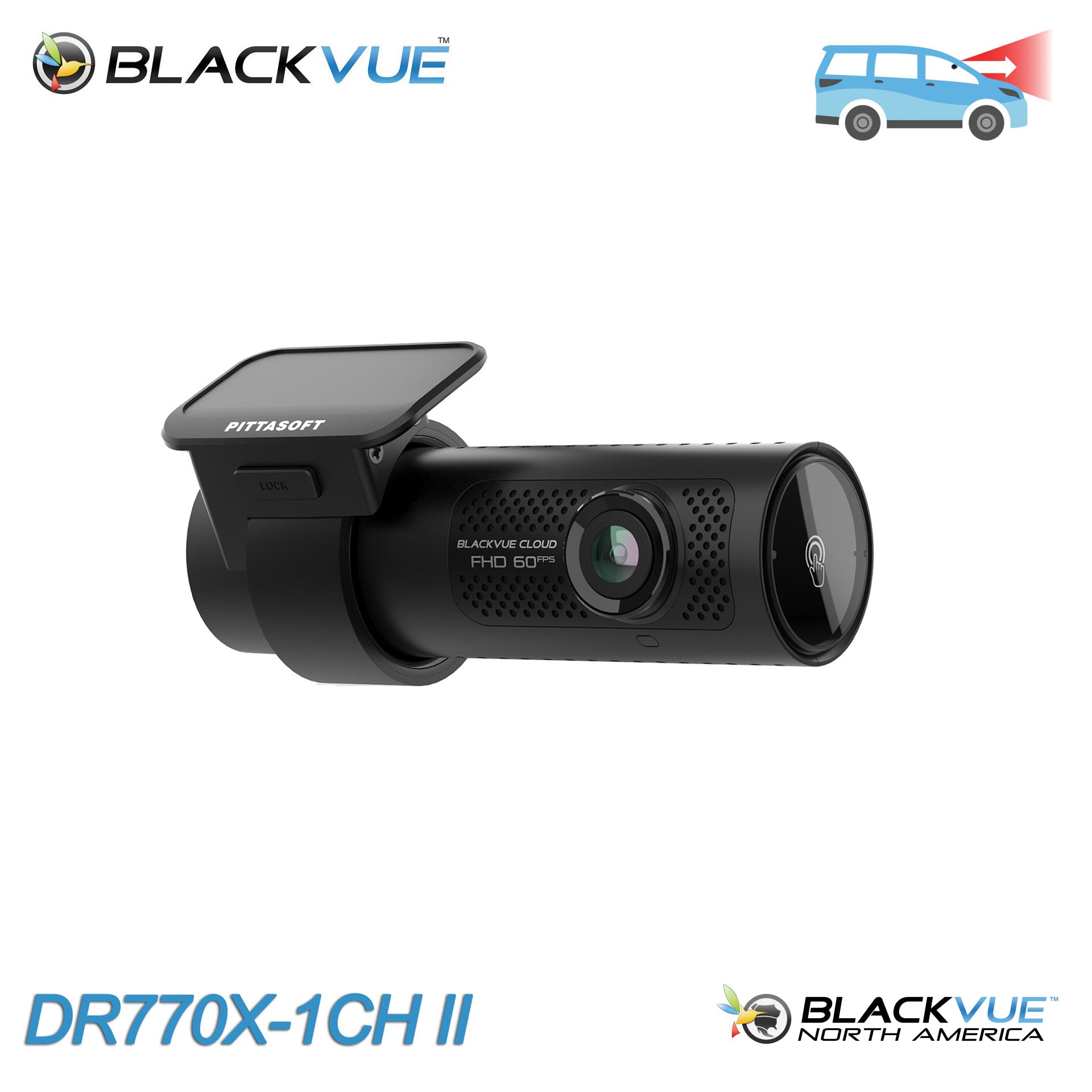
Blackvue DR770X Dashcam
$280
Shop on Amazon
WeatherTech Floor Liners
$110
Shop on AmazonAs an Amazon Associate, we earn from qualifying purchases.