The Mazda MX-5 Miata (NA) Buyer's Guide: What to Know Before You Buy One
The story starts with a journalist named Bob Hall watching his father obsess over post-war British roadsters: MG TDs, Triumph TR2s, MGA Twin-Cams. During a visit to Mazda’s R&D facility in the 1970s, Hall pitched the idea of a lightweight, affordable sports car to Kenichi Yamamoto, Mazda’s R&D head. Hall later joined Mazda. A California team led by Toshihiko Hirai and stylist Tom Matano turned the concept into metal. The philosophy centered on “Jinba Ittai,” a Japanese term meaning horse and rider as one.
What most people don’t know is how close the car came to never existing. Program manager Shunji Tanaka had to fight a faction within Mazda that wanted to kill the project. The mid-1980s were peak bubble economy in Japan, and executives wanted to chase the luxury market instead of building a cheap two-seater with thin margins. Tanaka kept the program alive by sourcing existing Mazda components and proving through prototypes that the driving experience would speak for itself. It did.
The MX-5 Miata debuted at the 1989 Chicago Auto Show. Over 1.1 million sold across all generations. The NA (1990-1997) remains the one that started it all.
What You’re Getting
A front-engine, rear-wheel-drive two-seater with double-wishbone suspension, four-wheel disc brakes, and a curb weight just above 2,100 pounds. The weight distribution is 50:50. The five-speed manual is the one you want (a four-speed automatic exists but defeats the purpose).
Early cars (1990-1993) run a 1.6-liter twin-cam four-cylinder making 116 horsepower. From 1994, a 1.8-liter bumps output to 128 horsepower with a sturdier differential. Neither engine is fast by modern standards. Both are fast enough for what this car actually is: a chassis that makes even a grocery run feel intentional.
Trims and What to Look For
The base model is spartan. The “A” Package adds power steering. The “B” Package adds alloy wheels and cruise control. The “C” or “LE” Package (1992 onward) adds leather and a limited-slip differential. The LSD is the option that actually changes how the car drives.
Colors matter on the secondary market. Classic Red, Mariner Blue, and British Racing Green command premiums. Factory hardtops now sell for $2,000 or more on their own.
Market Values in 2025
Clean, unmodified NAs: $10,000 to $14,000. Low-mileage examples: up to $20,000. Special editions (1993 LE in black with red leather, 1997 STO in Twilight Blue Mica) push higher. Original MSRP was roughly $13,000, about $36,500 in 2025 dollars. The market has nearly caught up to inflation-adjusted sticker, which tells you where demand is heading.
The Full Inspection Checklist
Rust. Rust is what kills Miatas. Check the rocker panels, the rear wheel wells, and the frame rails. An engine with 200,000 miles and good records is a better buy than a 60,000-mile car with bubbling paint along the sills.
There are also mechanical gremlins specific to the NA worth knowing before you hand over money.
The 1990-1993 1.6-liter cars have a short nose crankshaft. The harmonic balancer bolt can work loose and destroy the front of the crank. If the previous owner addressed it with a Loctite fix or upgraded bolt, good. If not, add it to your negotiation.
The crank angle sensor (CAS) on early cars drives off the camshaft. When it fails, the engine dies with zero warning. A rebuilt CAS runs about $100.
Timing belt replacement every 60,000 miles is non-negotiable. Both engines are interference designs. A snapped belt bends valves. Ask for receipts. If nobody can produce them above 120,000 miles, price accordingly.
Check coolant passages. NAs are known for sediment buildup, particularly if someone ran tap water instead of proper coolant. Pull the radiator cap cold and look for clean fluid. Brown sludge is a walk-away.
Soft top condition matters. A worn top with a fogged rear window runs $400 to $800 to replace. Check the rain rail for cracks. If it’s broken, water drains straight into the trunk.
Dashboard cracking and electrical gremlins are common and fixable on a budget. The engines are “near-bulletproof if maintained,” per Petrolicious. Respect the intervals and the 1.6 or 1.8 will outlast the body around it.
Driving Impressions: Why the NA Still Wins
I’ve driven all four generations. The NB is more refined, the NC is faster, and the ND is the best car Mazda currently makes. The NA is still my favorite.
At 2,100 pounds, the NA transmits everything. Every expansion joint. Every camber change. The unassisted steering on base models is heavy at parking lot speeds and perfectly weighted above 25 mph. You feel the front tires loading through the wheel rim.
Push it into a corner faster than you think is reasonable, feel the rear start to rotate, catch it with a half-turn of opposite lock. It teaches you. It rewards you. It never tries to kill you.
The ND is a tremendous sports car with too much electronic intermediary between your hands and the road. The NA has none. That’s the whole pitch.
The Aftermarket
The NA Miata has one of the deepest aftermarket ecosystems of any car ever made. Full stop.
Flyin’ Miata in Grand Junction, Colorado has been building turbo kits, supercharger kits, and LS V8 swap packages since the 1990s. Their turbo kit on a 1.6 pushes past 200 horsepower reliably. In a car this light, that transforms the experience. Supermiata focuses on the chassis side: coilovers, sway bars, and alignment specs that are the benchmark for competitive Spec Miata racers.
Best first modification: coilovers, a rear sway bar, and a proper alignment. That combination will change the car more than any engine mod under 50 horsepower.
The parts supply is enormous. Everything from weather stripping to complete wiring harnesses is available new. That’s a huge reason NAs remain practical to own decades later.
Insurance and Running Costs
This is where the NA becomes hard to argue against. Liability-only coverage often runs under $50 a month. Full coverage on a $12,000 car might be $80 to $120 monthly depending on location.
Maintenance is domestic-car pricing. Timing belt and water pump service runs $400 to $600. Tires cost under $100 each. Fuel economy sits around 25 to 30 MPG on regular unleaded.
The barrier to entry is low. The reward for showing up is high.
The Bottom Line
Mate Rimac and Christian Von Koenigsegg both own first-generation Miatas. Jeremy Clarkson called it one of the greatest sports cars ever made. For once, the hype and the driving experience actually align.
Clean NAs are getting harder to find and more expensive every year. The window for a good example under $15,000 is closing. Find one with records, check the frame rails, and drive it. The car will do the rest.
Our Picks

Chemical Guys Car Wash Kit
$50
Shop on Amazon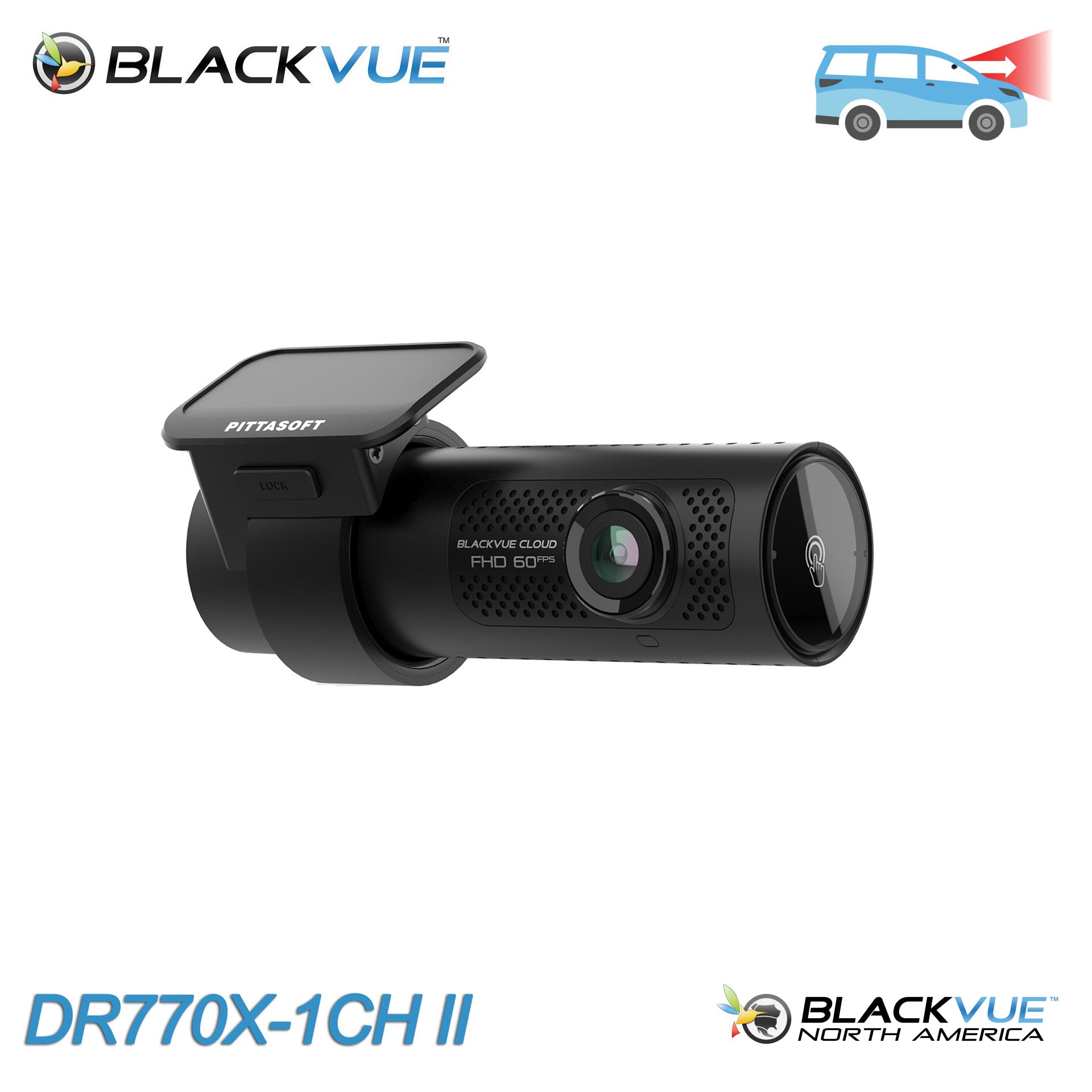
Blackvue DR770X Dashcam
$280
Shop on Amazon
WeatherTech Floor Liners
$110
Shop on AmazonAs an Amazon Associate, we earn from qualifying purchases.