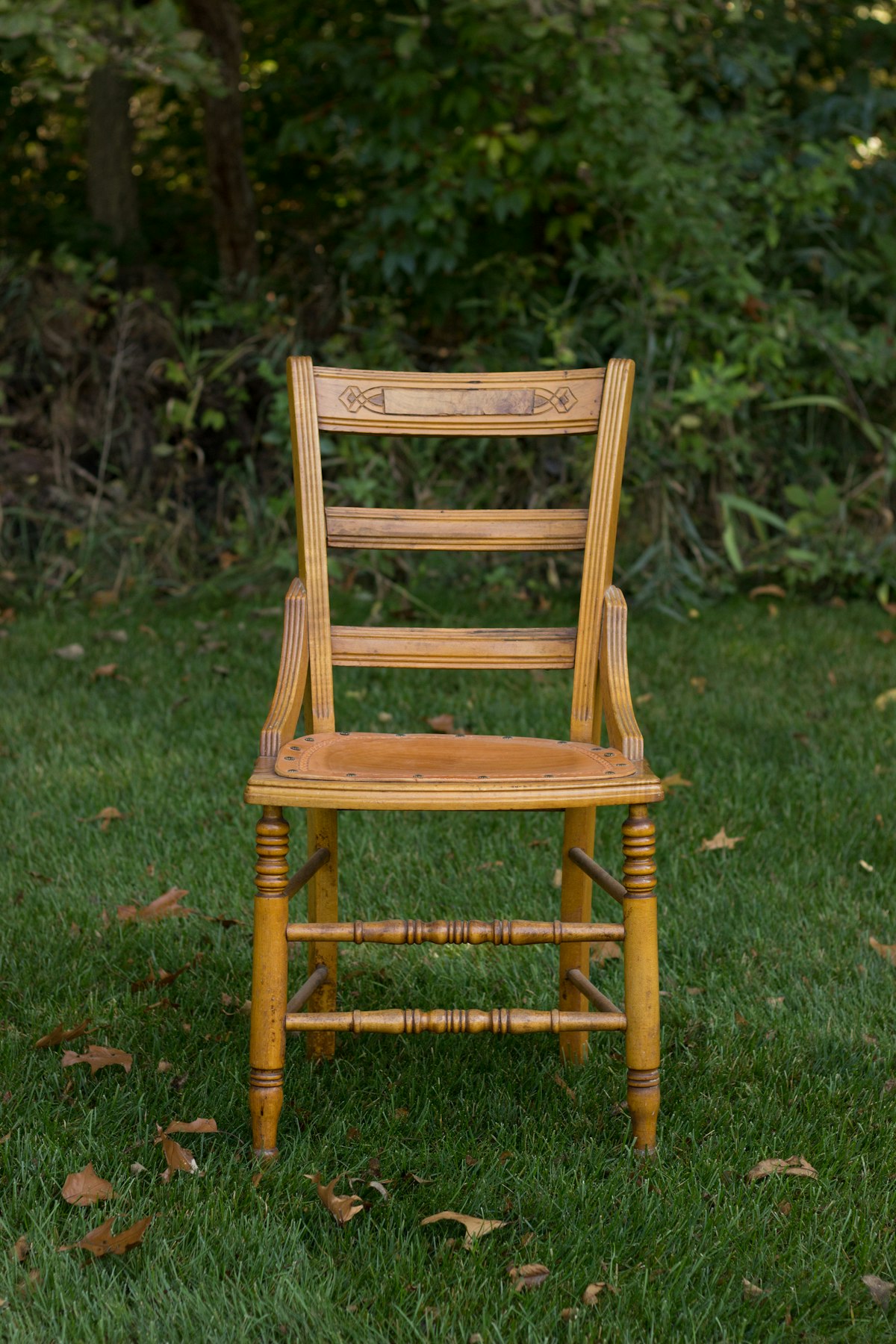
The Chipotle Chair Is Now a $1,200 Collector's Item. Seriously.
When Steve Ells opened the first Chipotle in Denver in 1993, he made a series of design decisions that had nothing to do with burritos and everything to do with how the space should feel. While every other fast-casual chain was ordering institutional furniture from restaurant supply catalogs (molded plastic, stacking chairs, laminate tables designed for durability and nothing else), Ells wanted something different. He wanted the restaurant to look like a place you’d actually choose to sit in.
He hired sculptor Bruce Gueswel, with engineering input from Steve Sauer, to design the chairs. The brief was closer to Frank Lloyd Wright’s Usonian aesthetic than to anything coming out of the food service furniture industry: clean lines, honest materials, no fuss. The result was a molded plywood seat on a welded steel frame. Exposed wood grain against matte black metal. No cushion, no paint, no attempt to disguise the materials or the construction.
Sauer built a 3D model using MacBravo CAD on an Apple Powerbook 170 (a detail that dates the project as precisely as any serial number). He contacted fabricators in Denver. They produced 244 chairs for the first seven Chipotle stores. Sauer still owns chair number 244.
Why These Chairs Are Worth Money Now
The chairs are currently listed on 1stDibs (the luxury design marketplace) as “Modernist Iron and Ply Dining Chairs.” Ten-chair lots have crossed the auction block at $700 to $1,200 depending on condition and provenance. Individual chairs appear on eBay and Chairish. Production designer Leo Swartz (whose credits include sets for television and film that require period-accurate mid-century furniture) owns a set of four, per Curbed. Dealers are stocking dozens at a time, betting on scarcity and the trajectory of demand.
The resale market emerged from the intersection of three trends that converge around these chairs specifically.
First, the design is genuinely good. The proportions work in a dining room as well as they worked in a fast-casual restaurant. The seatback angle supports an upright posture without the rigid formality of a straight-back chair. The steel frame is welded (not bolted), which gives it structural integrity that outlasts most residential furniture. The plywood ages well, developing a patina that reads as character rather than wear.
Second, the cultural connection. Everyone under 45 has sat in one of these chairs. The memory of eating a burrito bowl in a Chipotle during college, during your first job’s lunch break, during late-night study sessions, is shared by millions of people. That nostalgia gives the chairs an emotional weight that purpose-built “vintage style” furniture can never replicate. You can buy a chair that looks like it belongs in a 1990s fast-casual restaurant. You can’t buy a chair that was actually in one unless you buy these.
Third, the generational collecting pattern. Gen Z and millennial collectors are driving markets for objects that reflect the specific aesthetic of the 1990s and early 2000s. Pyrex became a collectible. Film cameras became collectibles. Restaurant furniture from the era that defined these collectors’ formative experiences is the logical next category. The Chipotle chair fits the pattern perfectly: honest materials, visible construction, a recognizable origin, and a story that connects to a specific moment in American commercial design.
The Design Legacy
Ells’s design choices for the original Chipotle locations didn’t just produce good chairs. They established the visual language of the modern fast-casual restaurant. The exposed steel, the loft-like lighting, the raw materials, the absence of kitsch decorative elements (no sombreros, no neon cacti, no painted murals of Mexican landscapes). Every fast-casual chain that opened after Chipotle borrowed from this aesthetic, whether they credited Ells or not. Sweetgreen, Cava, Dig, and dozens of others operate in spaces that trace their design DNA to what Ells built in Denver.
The chairs were the most tangible expression of that design philosophy. They communicated, through material choice and construction, that this restaurant took its physical environment seriously. Not seriously in the white-tablecloth sense. Seriously in the “we hired a sculptor instead of ordering from a catalog” sense. The difference is palpable when you sit in one.
The First Run
The 244 chairs produced for the first seven Chipotle stores represent the original production run. As Chipotle scaled to over 3,000 locations, the chair design evolved and manufacturing shifted to accommodate volume. Later iterations maintained the general silhouette but used different materials, different fabrication methods, and different suppliers. The first-run chairs are distinguishable by their construction details, weight, and material quality.
Sauer keeping chair number 244 suggests that even the engineer who built them recognized that the first run represented something distinct from the mass production that followed. Whether he kept it out of sentiment or foresight, it’s now the most documented and provenance-verified example of a design object that was never intended to be collectible.
Where to Buy One
Chairish is the most reliable current source. Individual chairs have been listed between $195 and $599 depending on condition. Complete sets of four or more command a premium. eBay surfaces them occasionally, typically from estate sales or restaurant renovations. 1stDibs carries them at the high end of the pricing range, marketed to the design collector audience.
Given the trajectory of demand and the fixed supply (those 244 first-run chairs exist and no more will be made), waiting is unlikely to make them cheaper. The chairs are following the same appreciation curve as other 1990s design objects that transitioned from utilitarian use to collectible status. The people buying them now are buying early in that curve.
The chairs from your college burrito joint are now listed alongside Eames shells and Bertoia wire chairs on the same platforms. Bruce Gueswel probably didn’t anticipate that outcome when Steve Ells asked him to design a chair for a burrito restaurant in Denver. But good design has a way of outliving its original context.
Our Picks
Philips Hue Starter Kit
$130
Shop on Amazon
Herman Miller Aeron (Renewed)
$850
Shop on Amazon
Sonos Era 100
$199
Shop on AmazonAs an Amazon Associate, we earn from qualifying purchases.