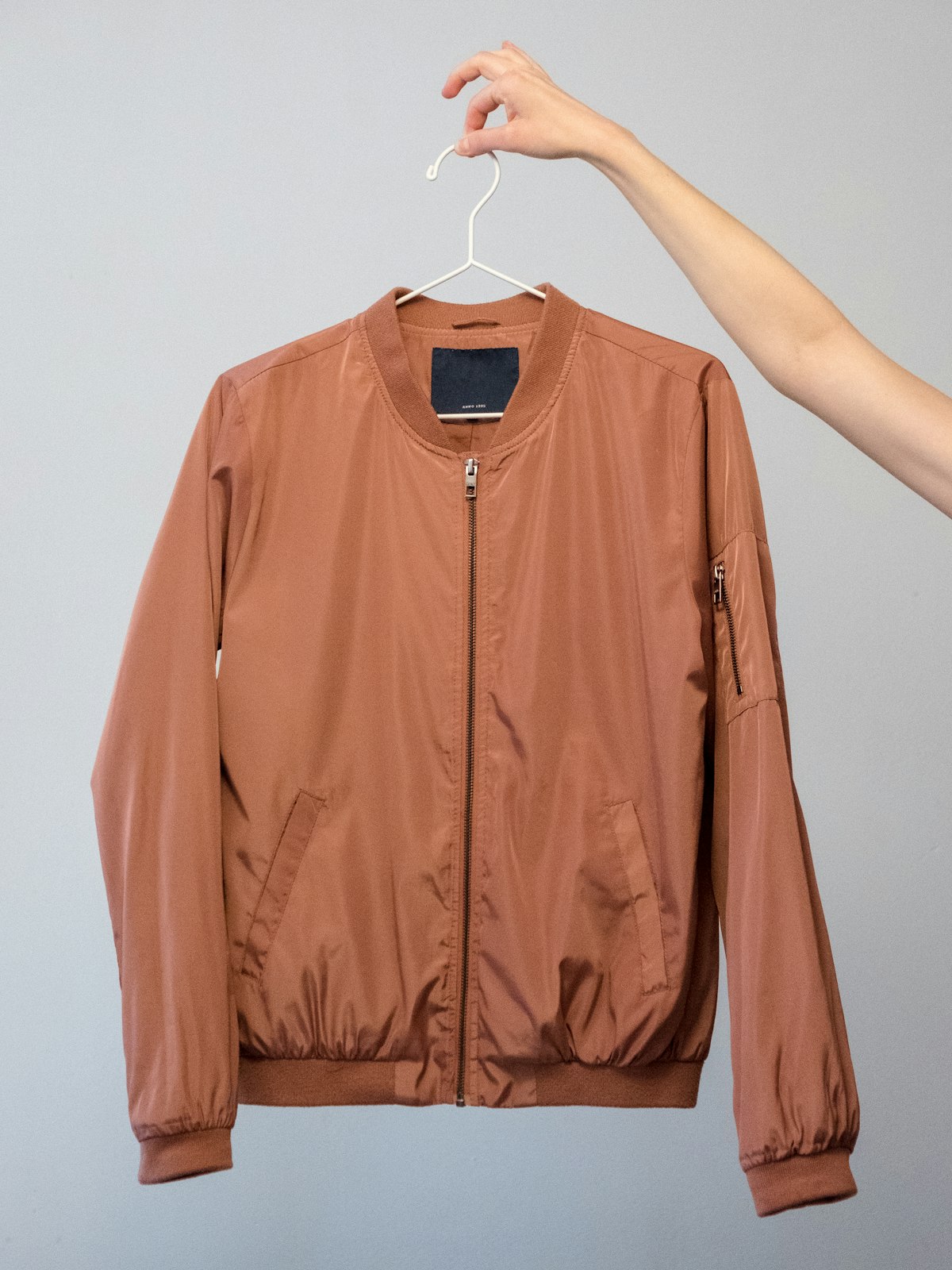
The $100 Carhartt Jacket That Belongs in Everyone's Closet
Carhartt has been making workwear since 1889. Hamilton Carhartt started the company in Detroit with two sewing machines and five employees, building overalls for railroad workers. The brand has survived world wars, economic depressions, the complete transformation of American manufacturing, and a somewhat surreal adoption by the streetwear community in the 2000s (via Carhartt WIP, the brand’s European spinoff). Through all of it, the core product line has remained what it was from the beginning: durable, functional clothing for people who work with their hands.
The Women’s Ripstop Utility Jacket sits squarely in that tradition. $100. Dusty Olive. XS through 3XL in a relaxed fit. It does exactly what a utility jacket should do without trying to be anything more, and the restraint is what makes it worth talking about.
The Fabric
The shell is an 8-ounce stretch ripstop blend: 59% cotton, 39% polyester, 2% elastane. Each of those percentages matters. The cotton provides breathability and the broken-in feel that synthetic fabrics can’t replicate no matter how advanced the weave. The polyester adds durability and shape retention through repeated washes. The elastane (2% is the right amount, not the 5-8% that athletic brands use) gives just enough stretch for range of motion without the clingy, performance-fabric feel that has no business in a utility jacket.
The ripstop weave is the structural detail that separates this from a standard cotton jacket. Ripstop fabrics use reinforcement threads woven at regular intervals in a crosshatch pattern. If the fabric snags on a branch, a nail, or a piece of equipment, the tear stops at the reinforcement thread rather than running across the panel. It’s a material technology originally developed for military parachutes and tents, adapted for clothing that expects to encounter sharp objects and rough surfaces during normal use.
A woven interior lining (not printed, not bonded, woven) makes layering frictionless. A flannel shirt underneath doesn’t catch or bunch against the interior the way it does inside cheaper jackets with raw or bonded linings.
Construction and Pockets
Snap front closure runs the full length. Adjustable snap cuffs allow you to tighten the sleeves over gloves or roll them back for warmer conditions. Open collar sits flat without the fussiness of a button-down collar or the casualness of a crew neck.
The pockets are where Carhartt’s century of workwear experience shows up most clearly. Roomy utility pockets on the exterior sit at the right height for hands-in-pockets comfort without riding too high (the mistake most fashion brands make when they add “utility” pockets to jackets designed for appearance rather than function). Interior pockets include secure zip closures and hook-and-loop closures, providing options for items that need different levels of security. A zippered chest pocket on the left side fits a phone.
The pocket placement means you can carry a phone, keys, wallet, and a folding knife without anything shifting, bulging, or clinking against each other. Each item has a dedicated space. That sounds like a minor detail until you’ve spent a day wearing a jacket where everything migrates to the same pocket by noon.
The Color
Dusty Olive. Not bright olive, not army green, not sage. Dusty Olive sits in the specific range of muted earth tones that work with jeans, work pants, chinos, or khakis without requiring any thought about whether the colors coordinate. It reads as intentional without reading as fashion-forward. It reads as chosen without reading as curated.
The color also ages well. Carhartt’s cotton-blend fabrics develop a softness and a slight fade over time that improves the visual character of the garment rather than degrading it. A Dusty Olive ripstop jacket that has been worn and washed for two years looks better than a new one, which is the opposite of how most $100 jackets behave.
The Value Equation
$100 sits in a sweet spot that most brands miss. Below $100, you get fast-fashion utility jackets that look similar on a website but feel immediately cheap in person: thin fabric, plastic snaps, pockets that are decorative rather than functional, and construction that unravels after one season of actual use. Above $200, you enter the territory of premium workwear brands (Filson, Barbour) and fashion-forward utility labels (A.P.C., Engineered Garments) where the price reflects brand positioning as much as material quality.
Carhartt at $100 gives you the fabric quality and construction of the $200+ brands at a price point where you don’t baby the jacket. You throw it in the truck. You wear it in the rain. You don’t think about whether the branch you’re walking past might scratch the sleeve. That freedom from preciousness is, ultimately, what workwear is supposed to provide. Carhartt has been providing it for 135 years. The Women’s Ripstop Utility Jacket is the latest proof that they haven’t lost the formula.
Our Picks
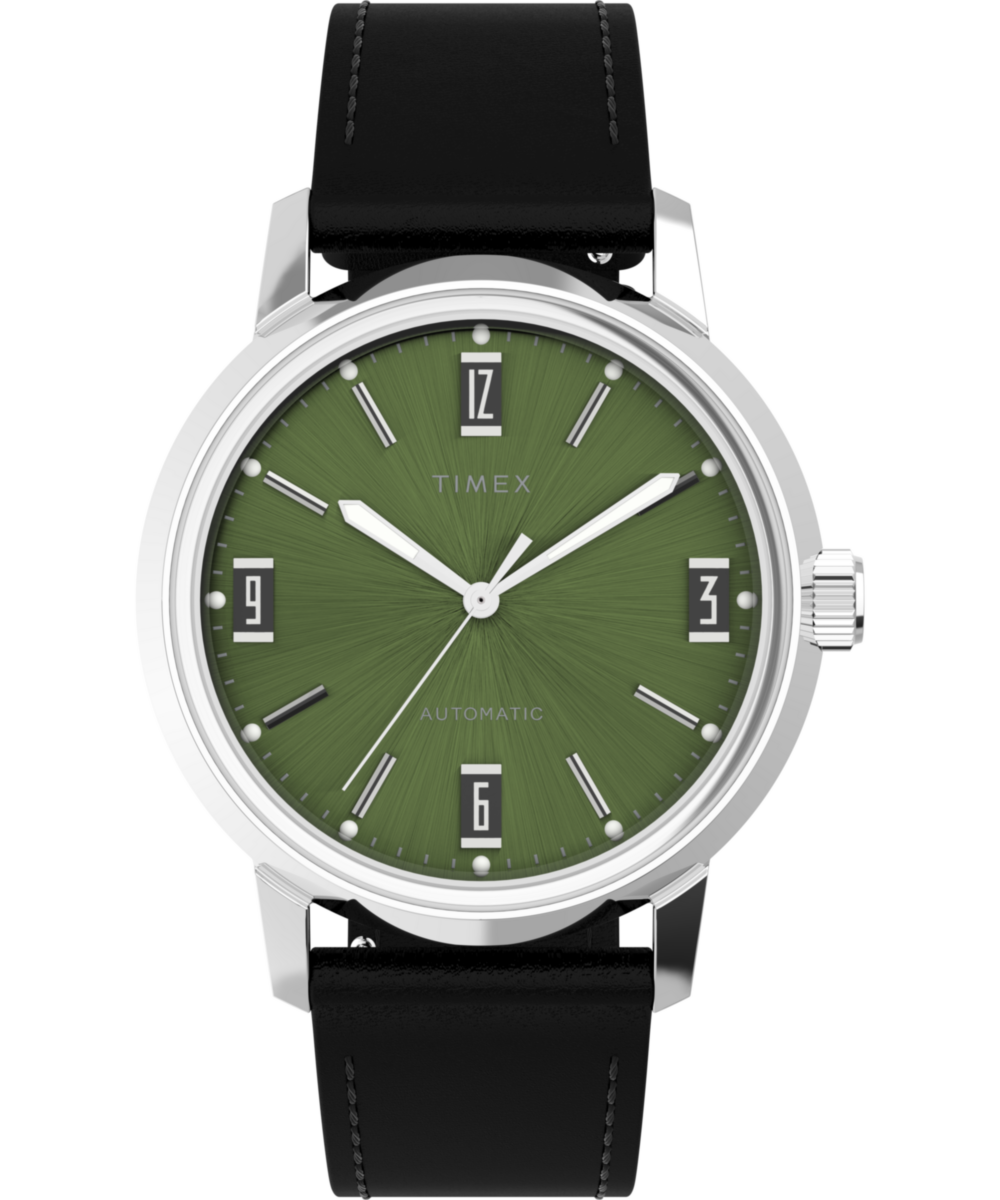
Timex Marlin Automatic
$249
Shop on Amazon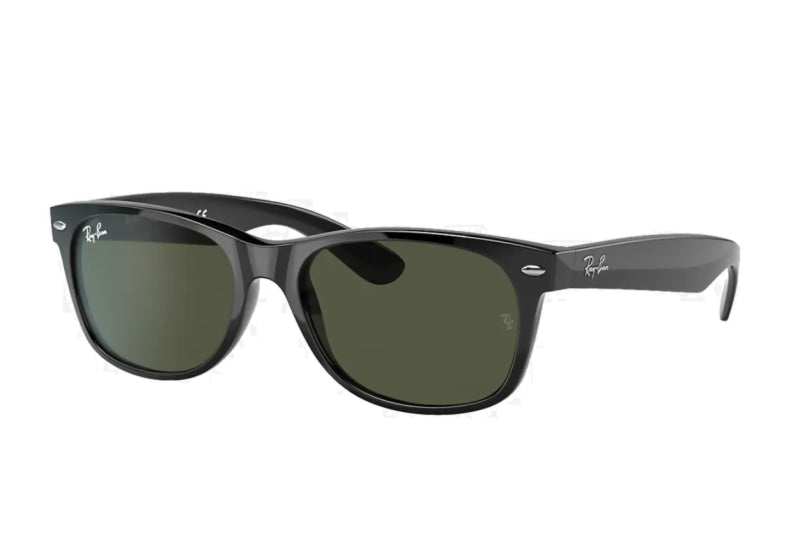
Ray-Ban New Wayfarer
$163
Shop on Amazon
Herschel Charlie Wallet
$25
Shop on AmazonAs an Amazon Associate, we earn from qualifying purchases.