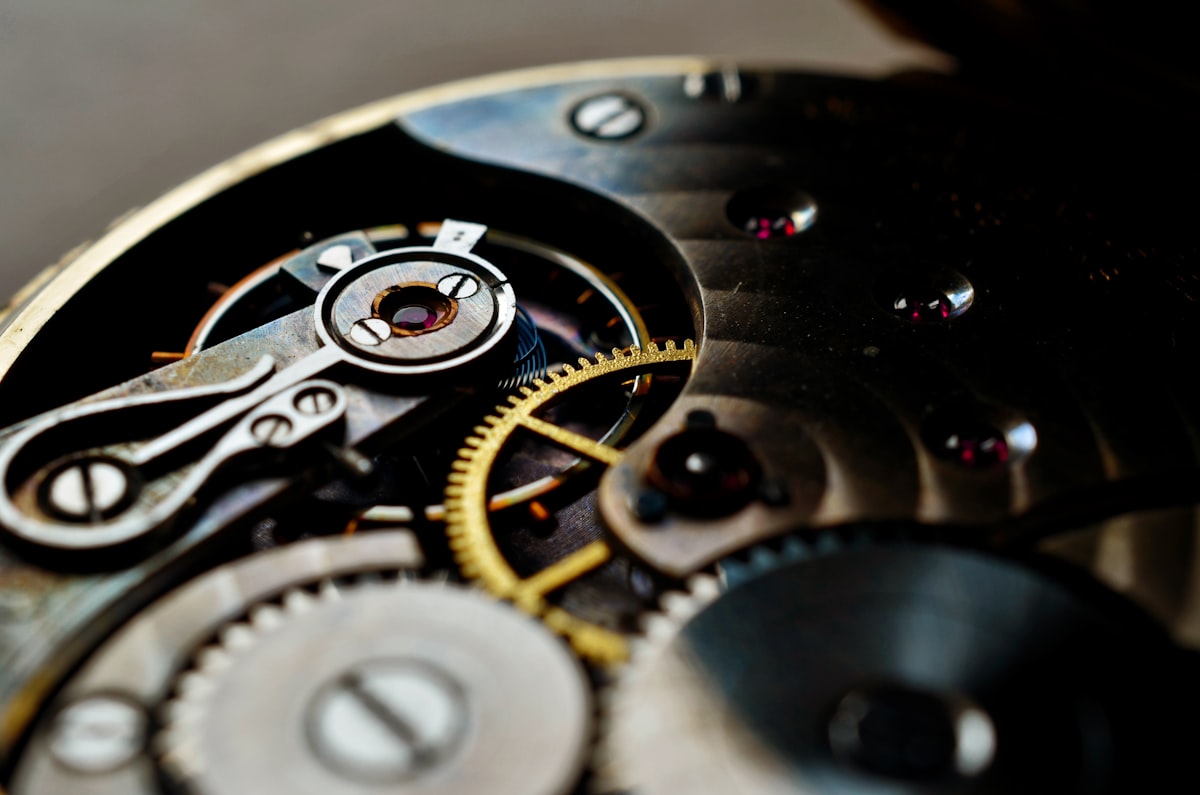
Casio Edifice EFK-110D: The Follow-Up Mechanical That Fixes What the Original Got Wrong
Less than a year after releasing its first mechanical watch ever, the EFK-100D, Casio has dropped a sequel. The Edifice EFK-110D keeps the same 38mm case, the same sapphire crystal, the same screw-down exhibition caseback and 100m water resistance. Everything they changed was something that needed changing.
The EFK-100D was a legitimately interesting watch for about $280: a Seiko-powered automatic in a sharp Casio case with a forged carbon-inspired dial. The problem was the movement. The NH38A Seiko caliber it used produced a specified accuracy of -20/+40 seconds per day, which is about what you expect from a budget automatic but is still a range that asks some forgiveness from the buyer. The date sat at 6 o’clock. The case thickness was a hair over 12mm. None of these were dealbreakers, but collectively they were the list of things Casio needed to address before the second version.
The EFK-110D addresses all of them.
What Changed
The new movement is a Miyota automatic. Casio has not specified the exact caliber number, but the architecture is described as thinner than the previous Seiko unit, and the accuracy specification shifts to -20/+40 seconds per day at best but with a tighter mean performance in Casio’s own data. The case thickness lands at 11.8mm, down a fraction from the original. The date moves from 6 o’clock to 3 o’clock, where it should have been from the start and where it sits on virtually every other modern mechanical watch with a date window.
The dial retains the electroformed texture from the original, which reads as a forged carbon pattern but is achieved through an electroforming process that gives the surface genuine depth without the cost of actual carbon. It looks significantly more expensive than it is. That was true of the EFK-100D and it remains true here.
Three colorways at launch: white, blue, and black. The blue variant has the kind of dial that photographs well in natural light and looks understated in dim conditions. The black is the safe choice. The white is interesting if you are confident in it.
The Price and the Landscape
European pricing is confirmed at €279, which converts to roughly $322 at current exchange rates. Given that the EFK-100D launched at $280 in the United States, the expectation is that Casio will land the EFK-110D somewhere in the $280-320 range domestically when the US release is confirmed. No official US date yet.
At $300, the EFK-110D competes against automatic watches from Seiko (the SPB series starts around $350, the Presage line hits $250-350), Orient (the Bambino and Mako lines occupy $150-250), and the lower end of the Tissot range. The Miyota movement inside it is the same family of calibers that powers watches from Hamilton, Bulova, and a half-dozen other brands in the $300-500 range.
What Casio brings that competitors in this bracket do not is brand recognition as a technology company that happens to be making watches, which gives the EFK-110D a cultural position the Orient Bambino cannot claim. It also brings what appears to be a genuinely competitive specifications sheet at a price that makes the buyer feel like they found something.
The Honest Caveat
We have not tested the EFK-110D. The accuracy claim of -20/+40 seconds per day is a spec sheet range, not a real-world result from our wrist. Miyota movements in this price class typically perform better than their specified worst case, often in the +/-10-15 seconds per day range under normal conditions. But that is an expectation based on the movement family, not a verdict on this specific watch.
The upgrade from Seiko to Miyota is a step sideways in some respects (both are respected budget automatic movement suppliers) and potentially a step forward in thinness and finishing. Whether the real-world performance justifies the original EFK-100D owner upgrading is a question we will answer when the watch is in hand.
For someone who missed the first version, or who found the 6 o’clock date position genuinely off-putting, the EFK-110D is the version worth waiting for. The specs are right. The price is fair. Casio spent less than a year learning from its first mechanical watch and applied those lessons directly. That kind of iteration speed is unusual in the watch industry, where brands typically let a new reference breathe for two or three years before touching it.
The US release date has not been announced. The European version is available now.
Our Picks
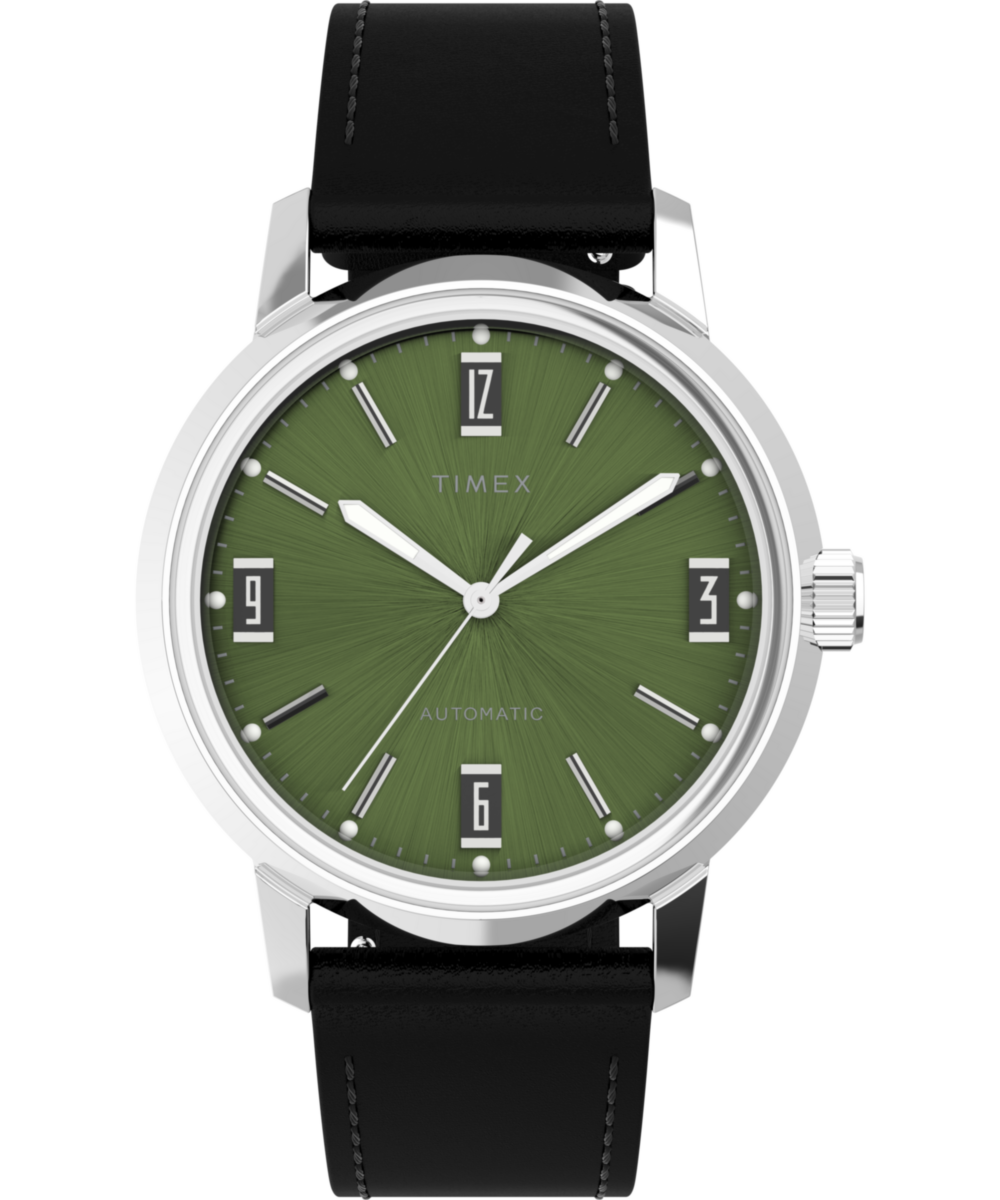
Timex Marlin Automatic
$249
Shop on Amazon
Ray-Ban New Wayfarer
$163
Shop on Amazon
Herschel Charlie Wallet
$25
Shop on AmazonAs an Amazon Associate, we earn from qualifying purchases.