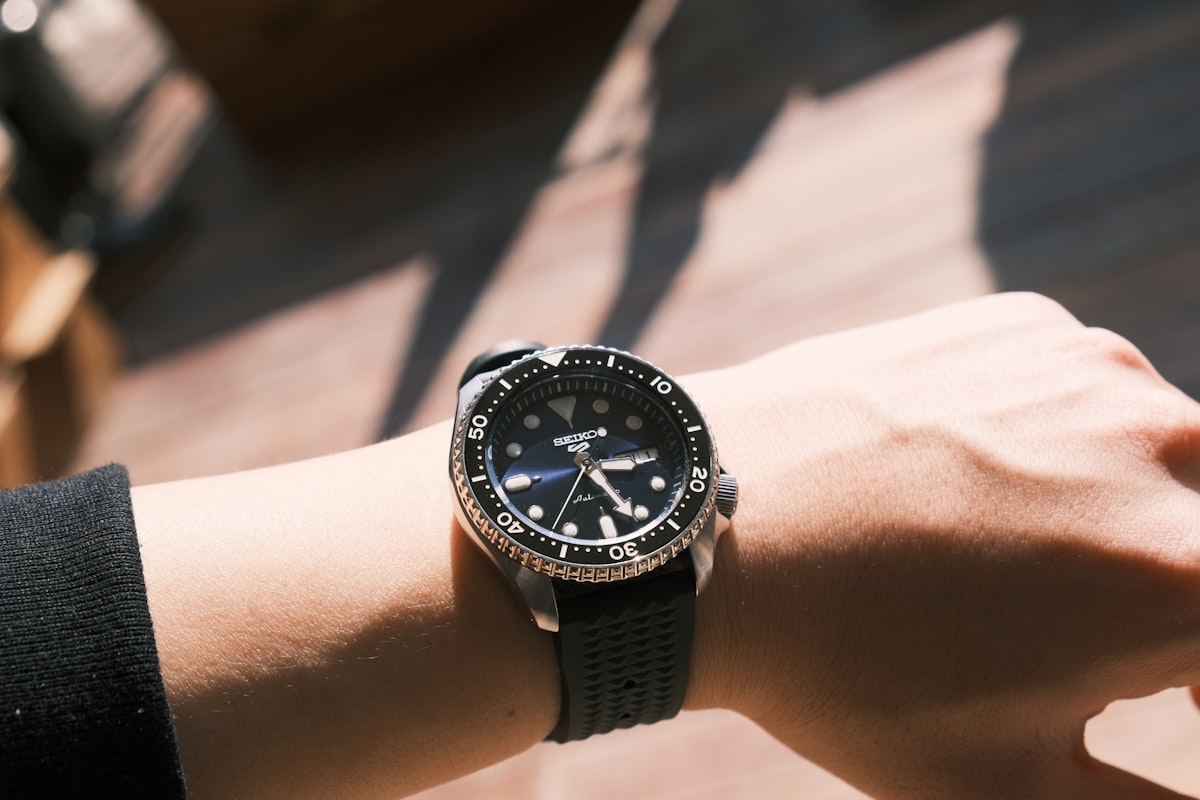
Timex Deepwater Arctic First Look: The $299 Dive Watch That Keeps Getting Compared to an Omega
The Omega Seamaster Professional costs $6,200. The Timex Deepwater Arctic costs $299. Gear patrol ran a story about the Timex and spent several sentences noting that people keep comparing it to an Omega. Both of those facts are true, and together they explain why this watch is worth your attention even if you will never own an Omega.
The Deepwater Arctic is the newest addition to Timex’s Deepwater line, which also includes the Reef 200, the Meridian Automatic, and a GMT variant. It sits at the top of the accessible tier: above the Reef 200 in specifications, below anything from the Swiss luxury houses in price, and in a visual conversation with watches that cost ten to twenty times as much.
The Specification Sheet
40.5mm stainless steel case with a crown guard. Screw-down crown, screw-on caseback. 200 meters of water resistance. Sapphire crystal with anti-reflective coating. Ceramic top ring on the bezel.
That ceramic bezel ring is the detail that places the Arctic in a specific conversation. Ceramic has been the bezel material standard for serious dive watches for the past decade, adopted from race car-caliber scratch resistance requirements. You will find ceramic bezels on the Omega Seamaster, the Tudor Pelagos, and the Rolex Submariner. Finding one at $299 reflects either a materials sourcing decision, a manufacturing process change, or a margin structure that Timex accepts because the volume economics work at this price point. Probably all three.
The dial uses Arabic numerals at the quarter-hour positions for vintage character rather than the simple indices that most modern dive watches use. Super-Luminova on the hands and markers covers the practical requirement. The 5-link stainless steel bracelet uses quick-release spring bars and a butterfly clasp, which means changing to a rubber strap or NATO takes about thirty seconds without tools.
Three colorways available. The Seamaster comparison tends to focus on the blue version, which is the most visually referenced comparison given the Seamaster’s iconic blue wave dial and bezel combination.
The Quartz Caveat
The movement is quartz. That is the specification that mechanically-minded buyers will note and that the watch’s critics will lead with. The Deepwater Arctic is not an automatic. It does not have the sweep second hand or the exhibition caseback or the winding feel that automatic watch buyers are paying for in the $250-500 range when they consider alternatives.
The honest position on this: quartz is more accurate than any automatic at this price. A Miyota automatic, which you find in mechanical watches around this price point, runs in the -20/+40 seconds per day range at its worst and closer to +/-10-15 seconds per day in typical conditions. Quartz runs within +/-15 seconds per year. For a dive watch that you plan to use as a functional instrument rather than a display of mechanical appreciation, accuracy favors quartz.
The Timex Deepwater line includes the Meridian Automatic for buyers who want the mechanical movement. It occupies the same design language and a similar price point. The Arctic is Timex’s answer to the buyer who wants the full specification dive watch package and does not care whether the movement oscillates.
Where This Sits in the Market
The $299 dive watch segment has a few relevant competitors. The Seiko SKX013 successor line (the SKX was discontinued, replaced by the 5 Sports SRPE line) runs $200-350 depending on variant and has a Japanese automatic movement with deeply established community support. The Orient Mako and Ray lines cover $150-250 with in-house automatics. The Citizen Promaster Mechanical sits around $300 with sapphire crystal and a more functional-specification bezel.
The Timex Arctic competes against all of these on specifications and wins on some, loses on others. The ceramic bezel and sapphire crystal combination at $299 is the strongest individual argument. The quartz movement is the main concession versus the mechanical-movement competitors.
The Verdict on the Look
The Omega comparison is apt and unavoidable because the design language of serious dive watches has converged on a set of elements that the Seamaster Professional helped define: helical brushing on the case, polished bevels, a unidirectional bezel with a zero marker, a bracelet with center-link polishing. The Arctic deploys all of these. The result is a watch that reads expensive at a glance and requires closer inspection to price correctly.
That is the intended effect. Timex is not hiding the design influences. The Deepwater line exists to put serious dive watch aesthetics into the hands of buyers who are not in the market for a $6,200 Swiss automatic.
At $299, the Arctic delivers the visual and functional case for a dive watch with very few compromises outside the movement type. It is the right buy for the person who wants to wear a capable, well-specified diving watch every day without treating it like it came with a certificate of authenticity.
The Omega is still the Omega. But for $299, the Arctic is a legitimate watch, not a costume.
Our Picks
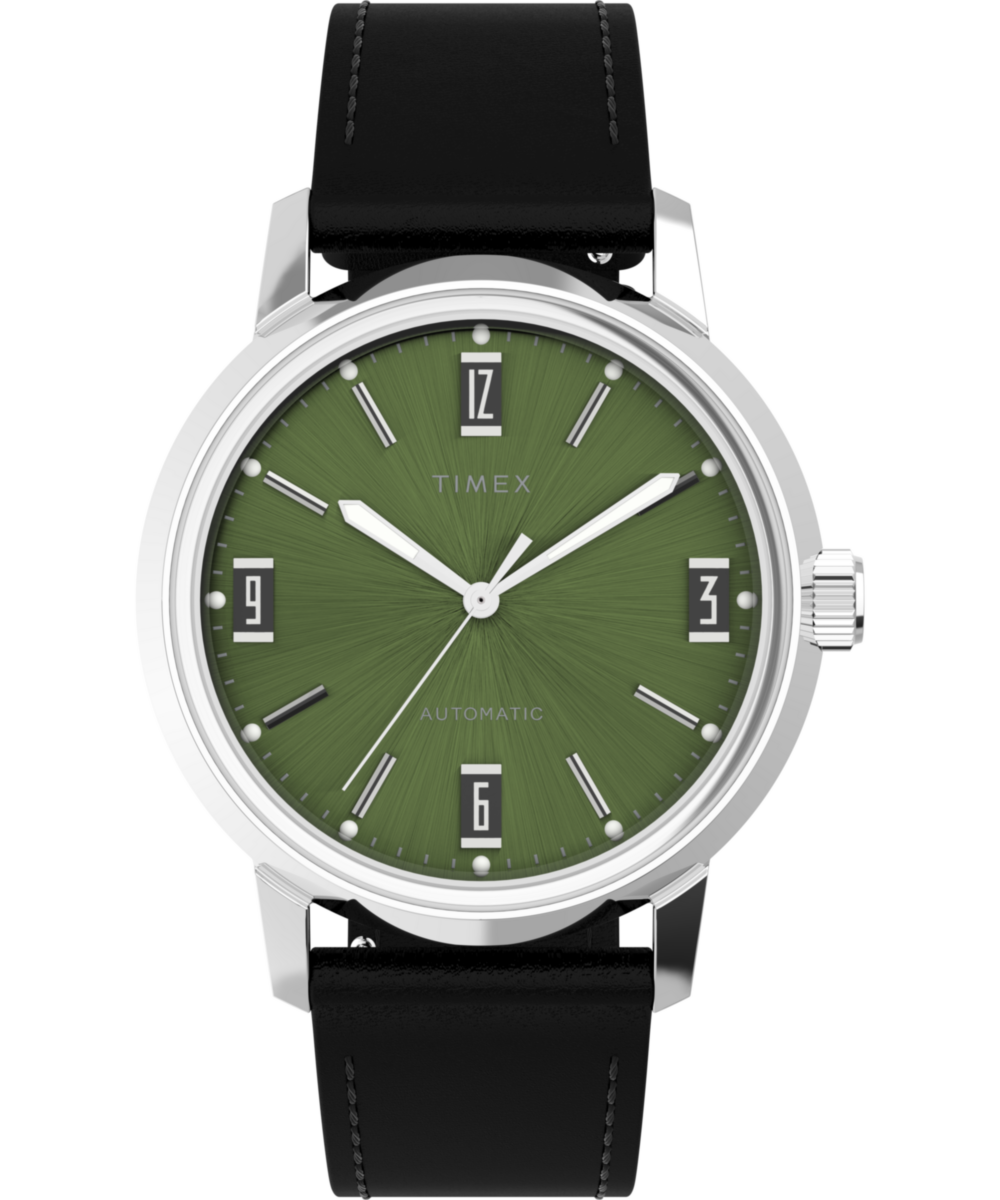
Timex Marlin Automatic
$249
Shop on Amazon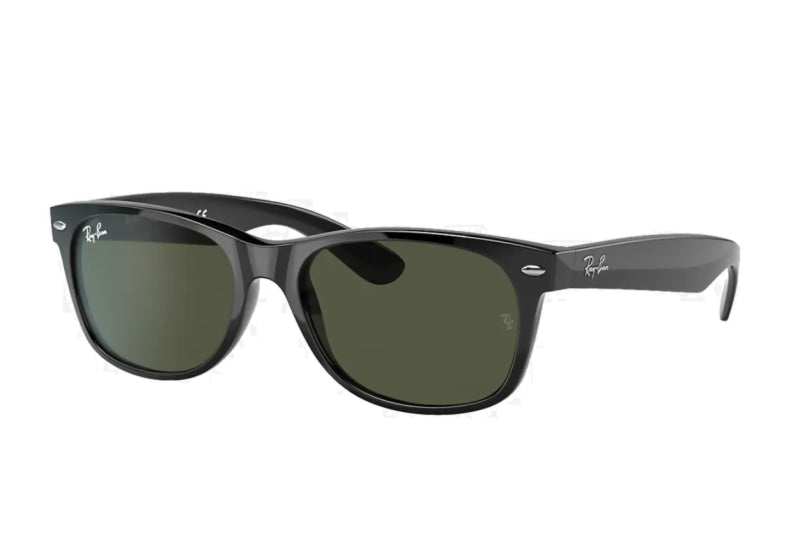
Ray-Ban New Wayfarer
$163
Shop on Amazon
Herschel Charlie Wallet
$25
Shop on AmazonAs an Amazon Associate, we earn from qualifying purchases.