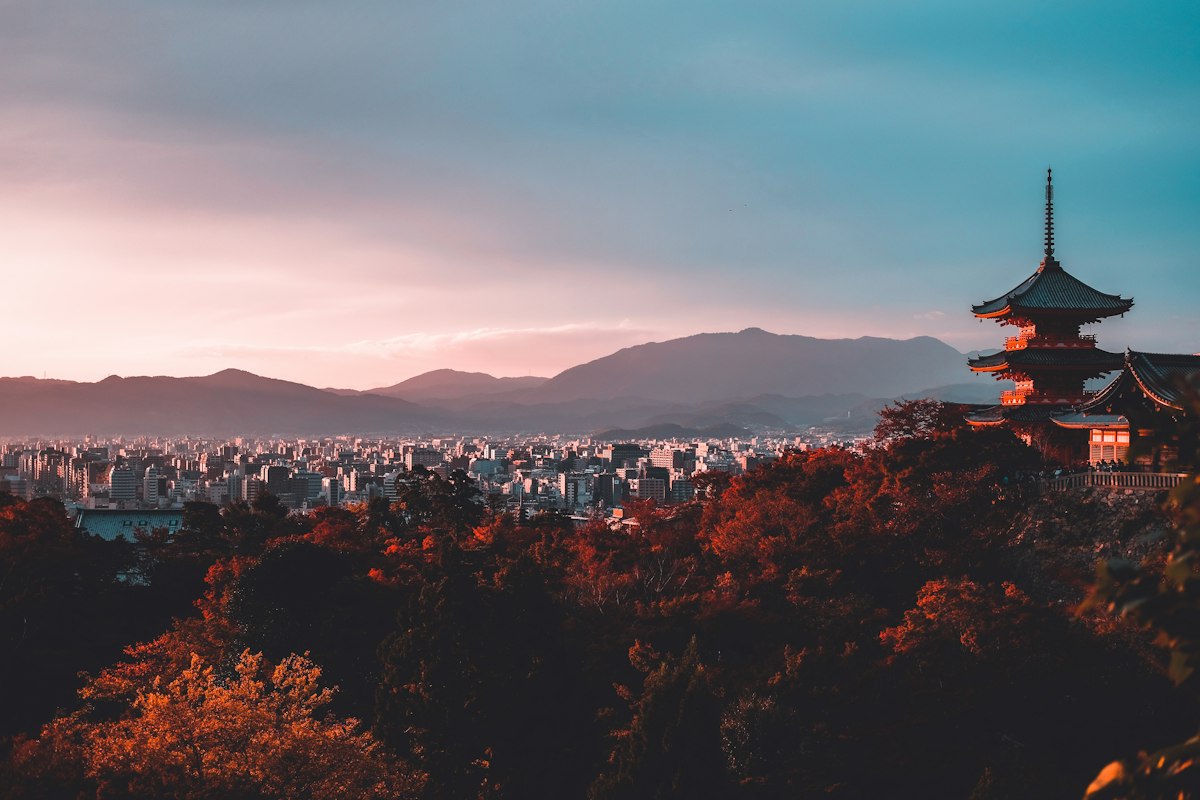
9 Luxury Onsen Experiences in Japan Worth Flying Across the World For
Japan’s natural hot springs are tied to spiritual balance and healing in both Shinto and Buddhist traditions. The practice of soaking in mineral-rich volcanic water is thousands of years old. What’s changed is the hospitality wrapped around it. The best luxury onsen today combine ancient ritual with contemporary design, private suites, and kaiseki dining that rivals standalone restaurants.
If you’ve never done this before, some ground rules. You bathe naked. Full stop. Swimsuits are not allowed, and the baths are gender-separated. Before entering the water, you sit at a washing station and scrub down completely. Soap, shampoo, rinse. No trace of anything when you step into the pool. Your small towel stays out of the water or balanced on your head. The whole ritual is slower than anything most Western travelers are used to, and that slowness is the entire point.
Tattoos remain a barrier at many public onsen. Private rooms, which several properties below offer, sidestep this entirely.
These nine properties represent the most immersive onsen experiences in the country.
1. Arimasansoh Goshobessho — Kobe
In the mountains above Kobe, in one of Japan’s oldest hot spring towns (Arima Onsen). The waters contain a rare seven of the nine therapeutic minerals recognized by Japanese law. The property evolved from a 19th-century Meiji-era inn and blends Western and Japanese design with classical onsen traditions. The standout: a bookable treehouse onsen fashioned as a bird’s nest, suspended among the canopy. Rates start around $500 per night and climb past $1,000 depending on room type. Autumn is the move. The outdoor baths hit differently when the canopy above you is red and gold.
2. Shisui Nara — Nara
Housed in a restored 1922 governor’s residence within Nara Park. Taisho-era elegance with hand-carved wood panels, polished cypress floors, plush modern furnishings. A Marriott Luxury Collection property with 43 rooms, select accommodations featuring private open-air onsen baths. Kaiseki highlights regional specialties like Nara’s persimmon-leaf sushi. Rates start around $400 per night. What separates Shisui is the location. You slide the screen open and wild deer are grazing thirty feet away. Spring is ideal, when cherry blossoms fill the park and the surrounding temples become something else entirely.
3. Hoshinoya Tokyo — Otemachi, Tokyo
A 17-story reimagining of the traditional Japanese inn in central Tokyo. The onsen sits at the top of the building, drawing mineral-rich water from 1,500 meters beneath the city. Views of the Tokyo skyline from a volcanic hot spring. Rooms start around $500 per night, with premium floors past $1,000. Open early morning to midnight, with a sake tasting program in the evenings. What makes Hoshinoya distinct is the contradiction. Traditional ryokan culture, stacked vertically, in one of the densest financial districts in Asia.
4. Gora Kadan — Hakone
Ninety minutes from Tokyo, in Hakone’s forested mountains. The property occupies the former summer villa of Japan’s imperial family. Many accommodations feature private open-air baths supplied by volcanic springs. Wellness programming includes forest bathing and shiatsu. Dining draws from Kyoto’s kaiseki traditions, served multi-course in a private room. Rates range from $700 to over $2,000 per night. Cherry blossom season and November foliage are the two peak windows. Book months ahead for either.
5. Beniya Mukayu — Yamashiro Onsen, Ishikawa
Intimate and contemplative. Only 16 guest rooms, each with a private open-air bath overlooking wooded ravines. Rates start around $800 per person per night. A Relais & Chateaux member. The kaiseki is built around seasonal Ishikawa ingredients, and the property offers cultural experiences with local artisans: flower arrangement, confectionery making. This is the onsen for people who want to disappear. No crowds. No lobby scene. Just forest, hot water, and silence.
6. Nishimuraya Honkan — Kinosaki Onsen, Hyogo
A historic ryokan with 160 years behind it, in Kinosaki Onsen, a 1,300-year-old hot spring town. Seven public onsen dot the town, and guests traditionally stroll between them in yukata robes and wooden geta sandals. Nishimuraya is the anchor property. Rates start around $535 per night. Kinosaki is the pick if you want the full town experience rather than a self-contained resort. You eat Tajima beef. You walk the willow-lined canal at dusk. You hop between baths. Winter here, with snow on the wooden buildings and steam rising from the pools, is the stuff of postcards.
7. Shima Kanko Hotel — Ise-Shima
Every room overlooks Ago Bay from within Ise-Shima National Park. Two properties: The Classic (from around $185 per night) and the higher-end Bay Suites (from $435), which features panoramic water views. The region’s seafood is the draw: ise lobster, abalone, and oysters sourced from the waters you’re looking at through the window. The most affordable entry on the list. Visit in late autumn or early winter when the lobster season peaks and the crowds thin out.
8. KAI Poroto (Hoshino Resorts) — Hokkaido
42 rooms overlooking Lake Poroto on Japan’s northernmost island. The onsen is filled with rare Shiraoi mineral water. Rooms range from 42 to 56 square meters, the largest suites including private outdoor baths facing the lake. The design incorporates Ainu cultural motifs. Winter is the season. Snow blankets the birch forest, and stepping into an outdoor onsen while the air hovers below freezing is one of those experiences your body remembers long after.
9. Zaborin — Niseko, Hokkaido
Fifteen freestanding villas, each with private indoor and outdoor onsen. Set against Mount Yotei, surrounded by birch forest. The architecture is modern Japanese minimalism at its logical conclusion: clean lines, natural materials, aggressive commitment to silence. Rates start around $1,000 per night and exceed $1,500 in peak ski season. The kaiseki changes with each meal, sourced hyper-locally. Widely considered one of the finest ryokan in Japan. Everything unnecessary has been removed. What remains is volcanic water, mountain air, and wood.
Getting There and Booking Smart
A 7-day Japan Rail Pass runs ¥50,000 (roughly $330), with 14 and 21-day options at ¥80,000 and ¥100,000. Whether it pencils out depends on your route. Tokyo to Hakone to Kyoto to Kobe and the pass pays for itself. Staying regional, look at the JR West Kansai Area Pass instead. One catch: the pass does not cover the fastest Nozomi or Mizuho shinkansen.
Tokyo and Kyoto are the best base cities. Hakone, Arima, and Nara are all day-trip distance from one or the other. For Hokkaido, fly into New Chitose Airport. Internal flights on ANA or JAL often run under $100 one way.
Book ryokan directly through the property’s site or through Japanese platforms like Ikyu.com. Western booking engines sometimes miss room types or kaiseki dinner packages. Most luxury ryokan require 60 to 90 days advance booking for peak periods: cherry blossom season (late March through mid-April) and autumn foliage (November). Shoulder months like May, early June, and late September offer lower rates and smaller crowds.
Our Picks
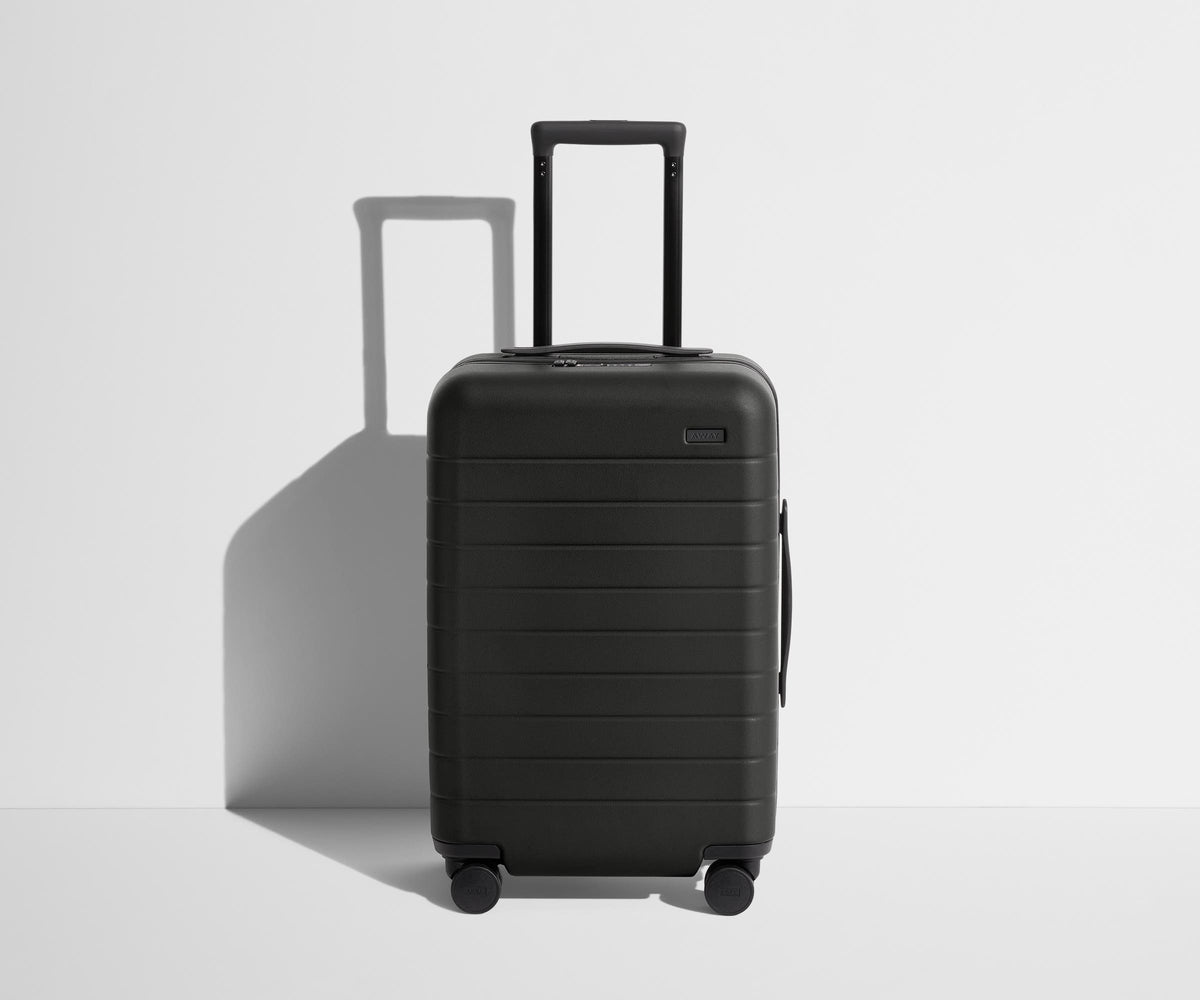
Away Carry-On
$275
Shop on Amazon
Osprey Farpoint 40
$185
Shop on Amazon
Peak Design Packing Cube
$45
Shop on AmazonAs an Amazon Associate, we earn from qualifying purchases.