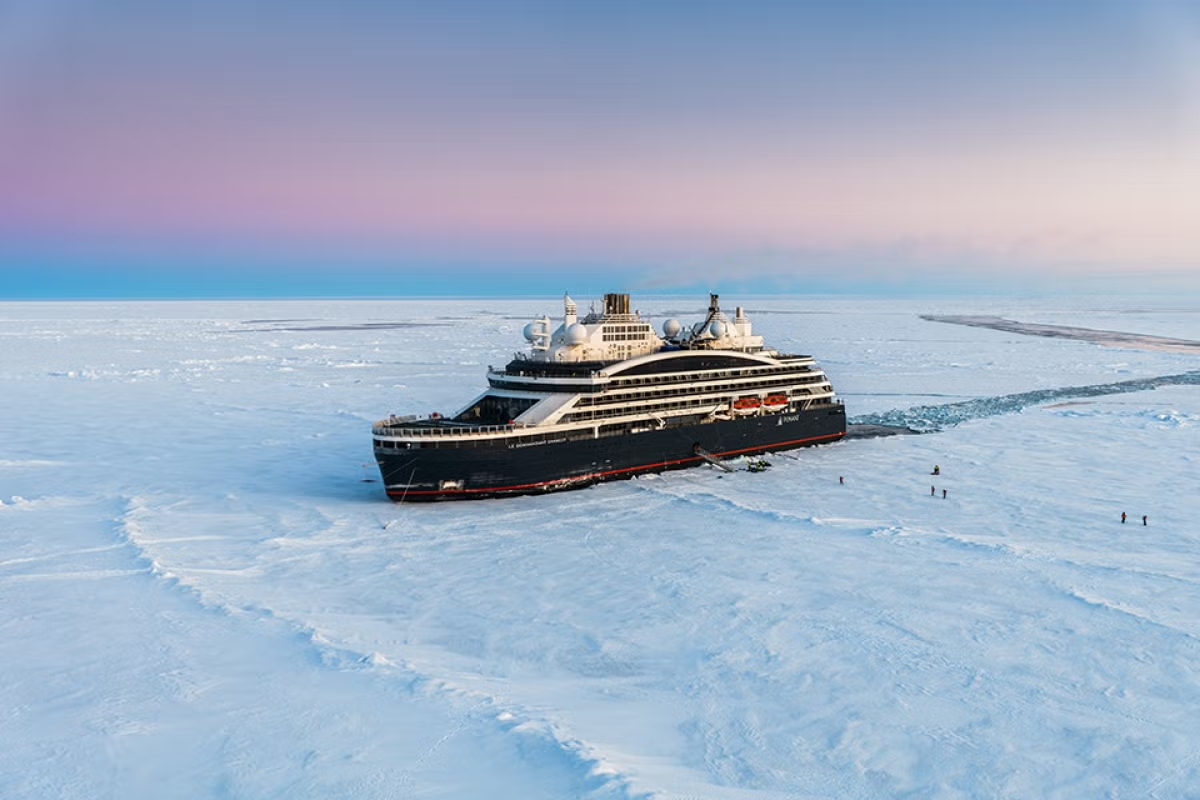
The First Luxury Ship to Reach the North Pole Now Takes Paying Passengers
On September 6, 2021, the Le Commandant Charcot reached the Geographic North Pole. It was the first luxury passenger vessel in history to do so. The same voyage also reached the North Pole of Inaccessibility, a point in the Arctic Ocean more than 620 miles from the nearest landmass in any direction. The coordinates are as remote as human travel allows. Twenty scientists conducted climate fieldwork during the crossing. 245 paying guests occupied the suites.
Ponant, the French expedition cruise line that built and operates the Charcot, now runs regular departures from Longyearbyen, Svalbard, pushing north through pack ice and drifting sea floes in an alliance with The Explorers Club. Fares start at $61,062 per person.
The price is the least remarkable thing about this vessel.
The Ship That Breaks the Rules
The Le Commandant Charcot carries a Polar Class 2 (PC2) rating, the second-highest ice classification in the maritime industry. Only icebreakers and dedicated polar research vessels typically achieve PC2 or above. The rating means the Charcot can operate year-round in moderate multi-year ice conditions and navigate through ice up to 8.5 feet thick. To put that in perspective, the vast majority of expedition cruise ships in Antarctica and the Arctic carry Ice Class 1A or 1B ratings, which restrict them to first-year ice and seasonal operations far from the polar extremes.
The propulsion system is hybrid electric powered by liquefied natural gas (LNG), making the Charcot one of the cleanest expedition vessels operating in polar regions. The choice of LNG over conventional marine diesel reduces particulate emissions in ecosystems where soot deposits accelerate ice melt. For a vessel designed to bring paying passengers into the most fragile environments on Earth, the environmental engineering is as important as the hospitality.
The hull was designed by Aker Arctic, the Finnish firm that has engineered icebreakers for decades. The double-acting hull design allows the ship to break ice both forward and astern, providing maneuverability in pack ice that conventional bow-only icebreakers lack. When the Charcot encounters ice too thick to transit forward, it can reverse through it. This capability extended the vessel’s operational envelope to routes that no passenger ship had previously attempted.
What $61,062 Buys You Inside
The accommodations range from staterooms to top-tier suites, all with private balconies. Diptyque toiletries in the bathrooms. Bose speakers in every cabin. The interior design balances expedition functionality (gear storage, insulated entryways, drying rooms for wet-weather clothing) with luxury hospitality that would be at home in a Parisian hotel.
The dining program is anchored by an Alain Ducasse gastronomic restaurant, the only one operating at sea. Ducasse, who holds 21 Michelin stars across his restaurant group, developed the menu specifically for the Charcot’s itinerary. The sourcing reflects the expedition context: ingredients that travel well, preparations that adapt to variable weather and sea conditions, and a French culinary philosophy applied to dining rooms that may be surrounded by ice in every direction.
Additional onboard spaces include a snow room (a chilled room with actual snow, designed for contrast therapy after the sauna), a spa, an indoor heated pool, and the Blue Eye underwater lounge. The Blue Eye sits below the waterline with large porthole windows and hydrophones that pipe in the sounds of the ocean beneath the ice. Hearing the cracking, groaning, and shifting of the ice pack from below the surface is an experience that exists nowhere else in civilian travel.
The Expedition Experience
Zodiac landings on Arctic terrain. Kayaking through ice floes alongside seals and seabirds. Snowshoeing across landscapes that have never been commercially accessible. Encounters with Inuit communities in Greenland and Svalbard, facilitated by the expedition team with cultural sensitivity that reflects Ponant’s French approach to expedition travel (more anthropological, less adventure-tourism).
The expedition team designs each day’s activities based on ice conditions, weather, wildlife sightings, and the specific interests of the guests aboard. No two voyages follow the same route once the ship enters the ice. The variability is the point. You’re not following a predetermined itinerary through controlled environments. You’re navigating a polar landscape that changes hourly, guided by people who have spent careers in these waters and can read ice conditions the way a pilot reads weather.
Departures from Longyearbyen, Svalbard are scheduled throughout the Arctic summer season. Some itineraries push toward the North Pole. Others trace the coast of Greenland or navigate the Northwest Passage. The Charcot’s PC2 rating opens routes that competing expedition lines cannot offer because their vessels lack the ice classification to attempt them.
Who Sails the Charcot
This is not a cruise for people who want poolside drinks and a casino. The Charcot’s passengers tend to be experienced travelers who have exhausted the standard expedition circuit (Galapagos, Antarctica Peninsula, Norwegian fjords) and want something that doesn’t exist on other cruise lines’ itineraries. The North Pole is one of the last places on Earth where the act of getting there is the experience itself, because the difficulty of reaching it is what makes it meaningful.
Ponant built a ship that makes the journey possible without sacrificing the comforts that $61,062 per person should buy. The Ducasse restaurant, the Blue Eye lounge, the suite balconies overlooking ice fields, and the snow room exist because Ponant understood that the audience for this product doesn’t want to choose between expedition and luxury. They want both, in the most remote waters on the planet, aboard a ship that can actually get there.
The Le Commandant Charcot is that ship. Nothing else in the expedition cruise market comes close.
Our Picks
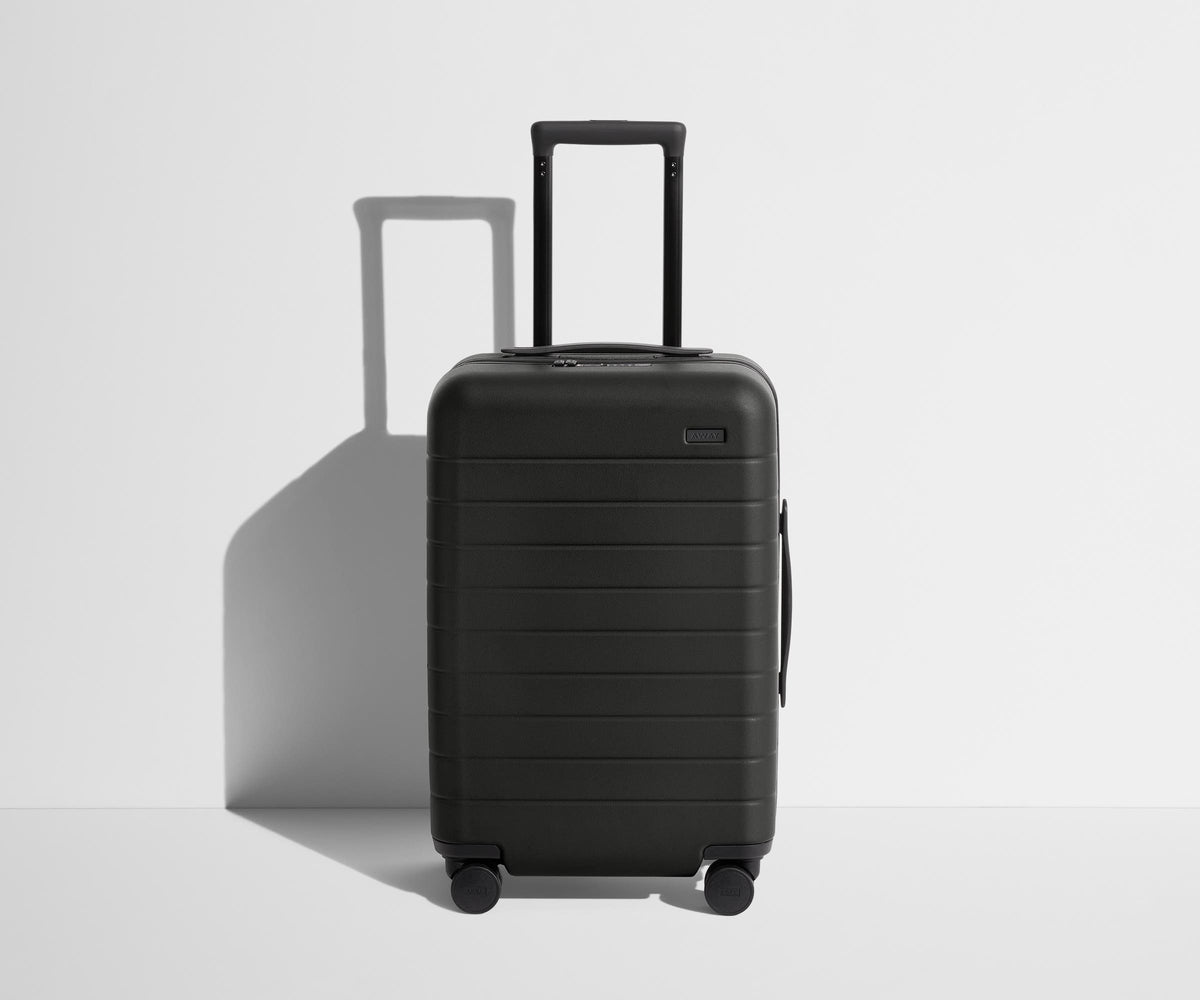
Away Carry-On
$275
Shop on Amazon
Osprey Farpoint 40
$185
Shop on Amazon
Peak Design Packing Cube
$45
Shop on AmazonAs an Amazon Associate, we earn from qualifying purchases.